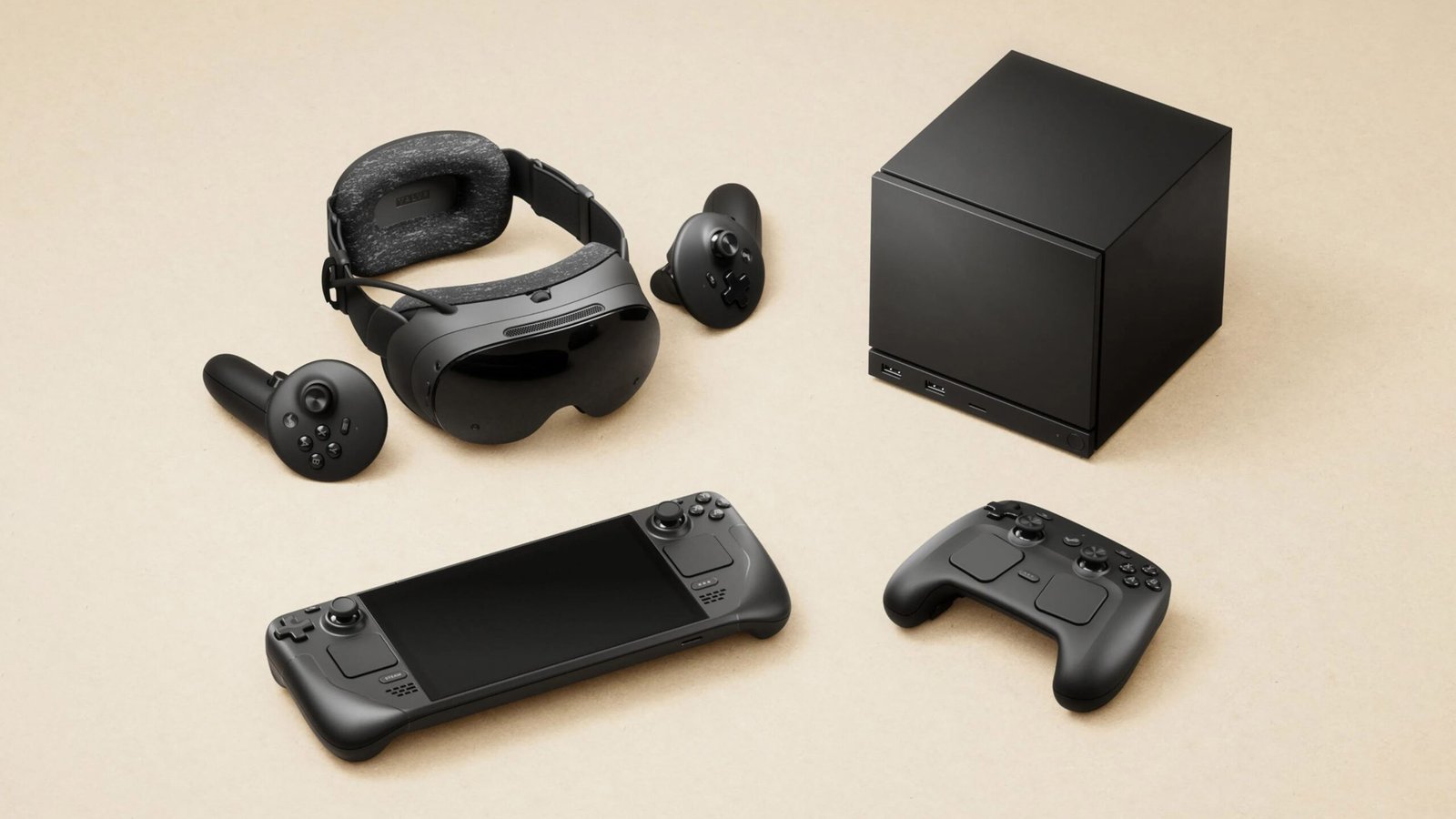
Valve has recently unveiled a trio of new hardware products under the Steam banner, marking a significant expansion of its gaming ecosystem following the success of the Steam Deck. The announcement, made on November 12, 2025, introduces the Steam Frame, Steam Machine, and a revamped Steam Controller, all designed to integrate seamlessly with SteamOS and the broader Steam library. These devices aim to bring high-fidelity PC gaming to diverse environments, from living rooms to virtual reality setups, without the traditional tethering to a full desktop PC. Each product leverages custom hardware optimizations, wireless technologies, and modular designs to enhance accessibility and performance, with a focus on cross-compatibility for games in both VR and non-VR formats. While exact pricing remains under wraps, all three are slated for a launch window in early 2026, targeting regions including the USA, Canada, UK, Germany, France, Australia, Japan, South Korea, Taiwan, and Hong Kong.
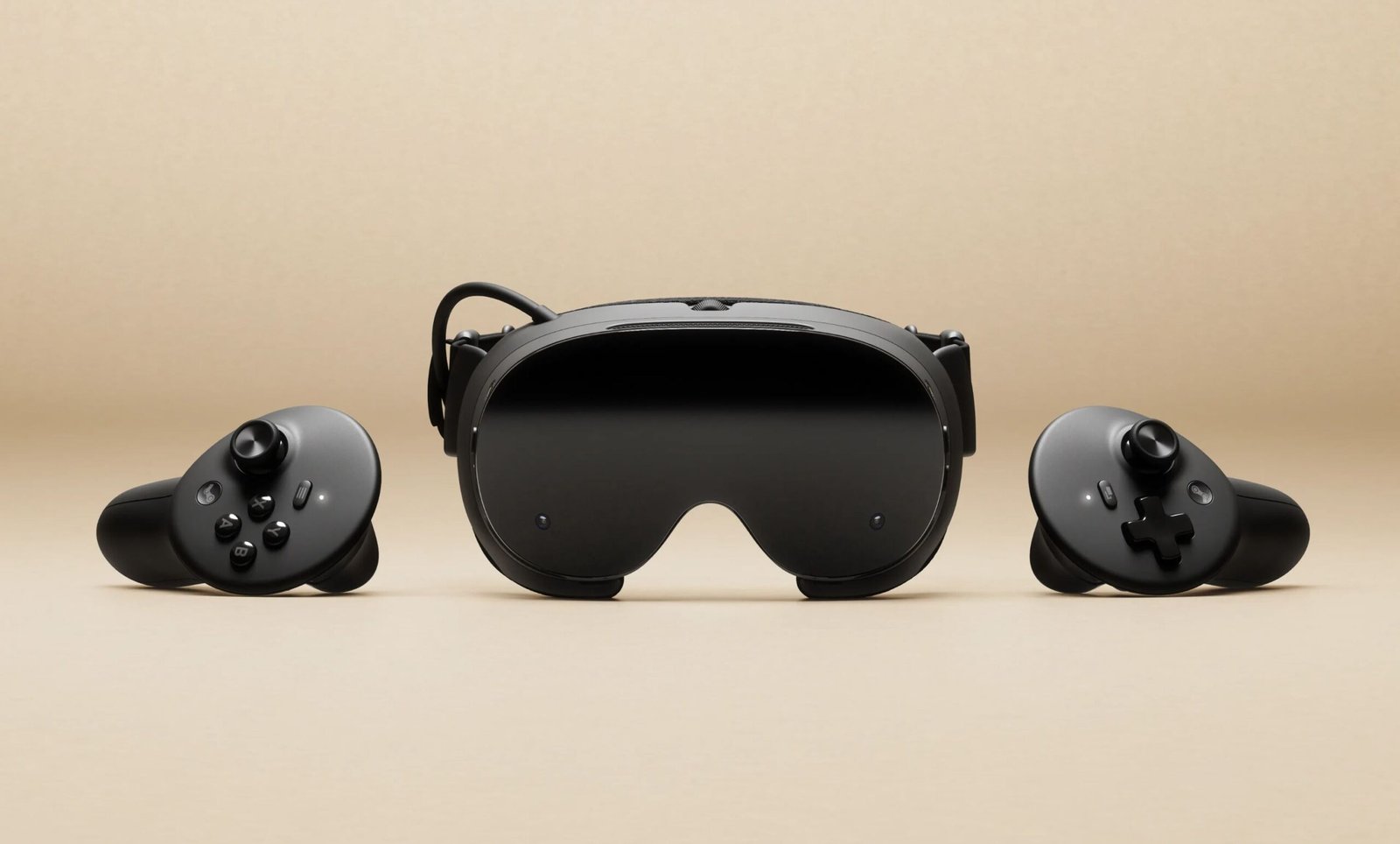
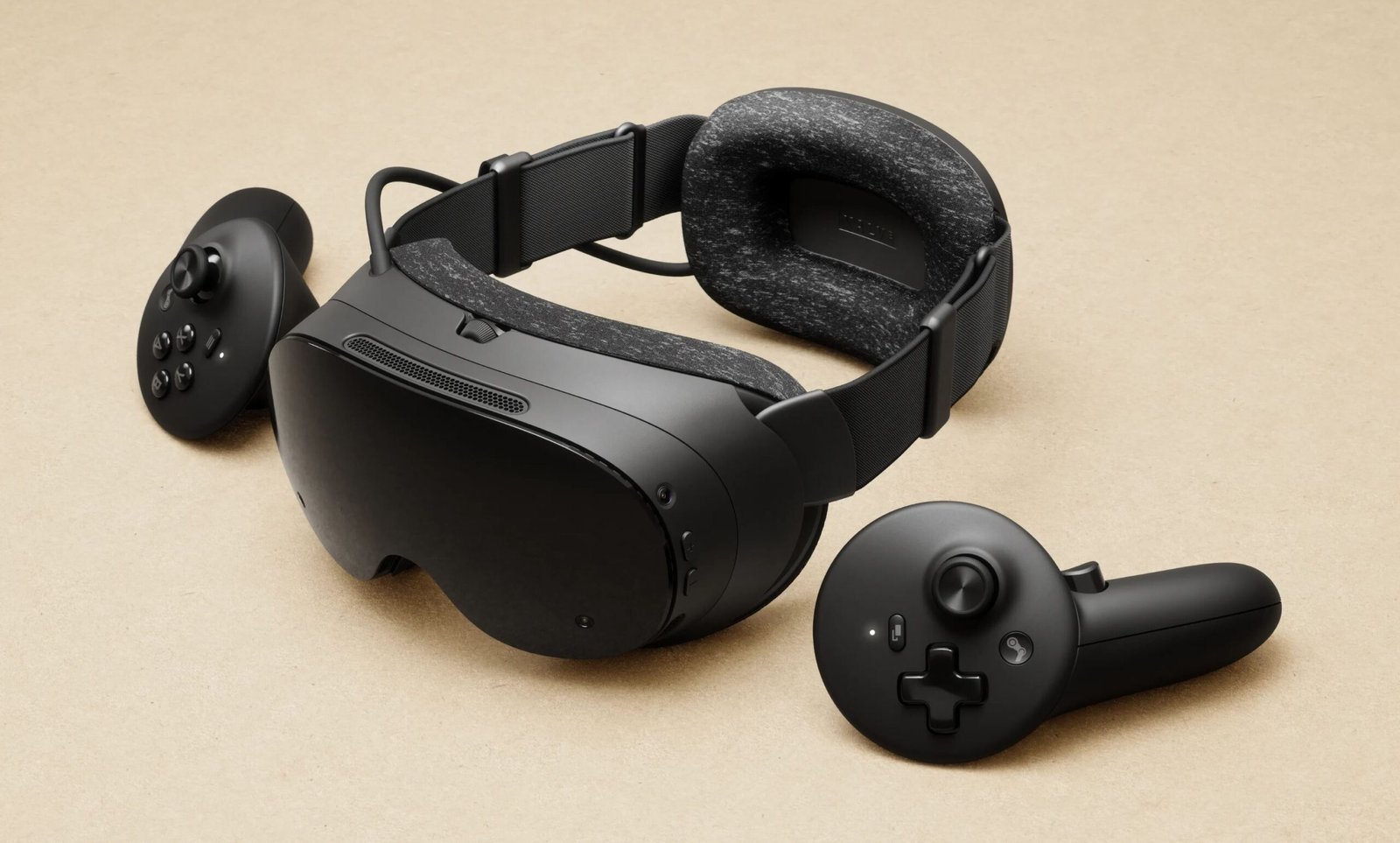
image source: steamdb.info
The Steam Frame represents Valve’s bold entry into standalone VR, reimagining the concept beyond its PC-dependent roots like the Valve Index. This wireless headset features a sleek, modular black design and uses pancake optics to deliver sharp 2160 × 2160 LCD resolution per eye, a wide 110-degree field of view, and refresh rates ranging from 72 Hz to 120 Hz, with experimental support up to 144 Hz. At its core, the Steam Frame is powered by a 4nm Qualcomm Snapdragon 8 Gen 3 ARM64 processor, paired with 16 GB of unified LPDDR5X RAM and 256 GB or 1 TB of UFS storage, expandable via microSD. It runs SteamOS on ARM architecture, supporting sleep/wake, cloud saves, and Proton compatibility for running verified Steam titles natively—no PC required. Connectivity is equally robust, with Wi-Fi 7 and dual 5 GHz/6 GHz streaming for simultaneous VR gameplay and network access. A dedicated Wi-Fi 6E (6 GHz) wireless adapter provides a fast, low-latency link for PC streaming. The headset weighs just 185 grams for the core unit and 440 grams with the included headstrap, which integrates the facial interface, audio components, and rear-mounted 21.6 Wh Li-Ion battery for balance. The built-in dual speaker drivers per ear and dual microphone array offer spatial audio and clear communication. Tracking is handled by four outward-facing monochrome cameras for headset and controller detection, two internal eye-tracking cameras, and an outward IR illuminator that enhances performance in low-light conditions. Eye tracking also powers foveated streaming, dynamically focusing video resolution where the user is looking to optimize performance and bandwidth. The Steam Frame Controllers feature full 6-DOF tracking, IMU support, capacitive finger sensing, and magnetic thumbsticks (TMR) for improved precision and reliability. They provide haptic feedback, maintain input parity with traditional gamepads, and run on replaceable AA batteries offering up to 40 hours of use. Optional straps are available for added comfort. While the headset currently features monochrome camera passthrough, it includes a front expansion port supporting a dual high-speed camera interface (8 lanes @ 2.5 Gbps MIPI) and a PCIe Gen 4 lane, paving the way for future XR or accessory modules. Hands-on demos have praised its vivid display quality, responsive tracking, and low-latency 6 GHz PC streaming, showcased in titles such as Half-Life: Alyx (streamed) and Hades 2 (standalone). Battery life averages 2–3 hours, and although not all games are yet optimized for ARM, Valve’s modular design hints at strong long-term potential for the Steam Frame platform.
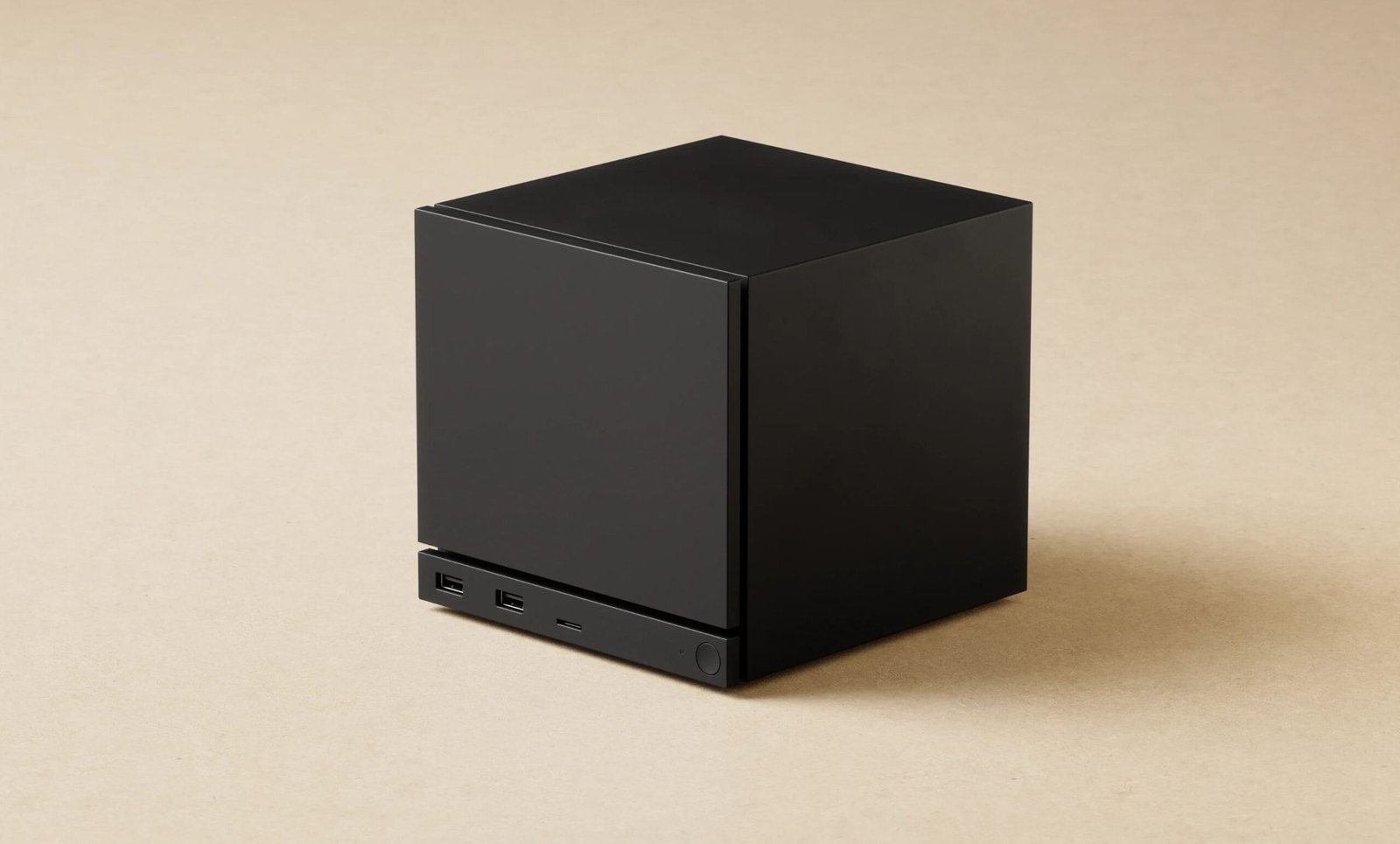

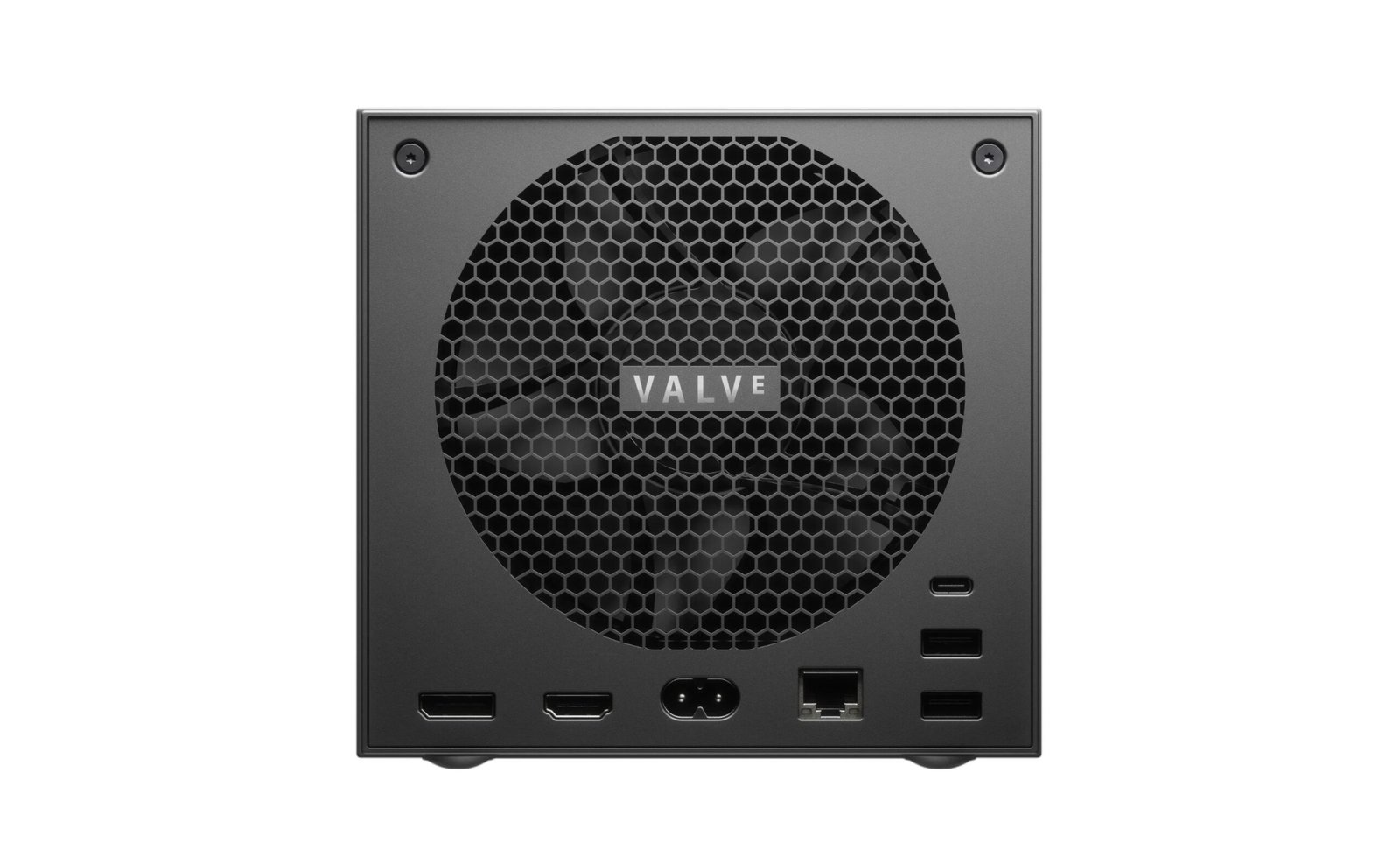
image source: steamdb.info
Complementing the Frame, the Steam Machine is a compact, cube-shaped console engineered for living room dominance—essentially a more powerful, stationary evolution of the Steam Deck. Roughly the size of an Xbox Series S, this sleek black cuboid blends effortlessly into entertainment setups with magnetically swappable front faceplates (featuring Team Fortress 2–inspired silhouettes) and a customizable LED bar that reflects system status such as downloads, booting, or updates. It will be offered in 512 GB and 2 TB SSD models, both shipping with the Steam Controller bundle or available standalone. Under the hood, the Steam Machine runs on a semi-custom AMD Zen 4 CPU (6 cores / 12 threads, up to 4.8 GHz, 30W TDP) paired with a semi-custom AMD RDNA 3 GPU (28 compute units at up to 2.45 GHz, 110W TDP), delivering over six times the performance of the Steam Deck. Combined with 16 GB of DDR5 system memory and 8 GB of GDDR6 VRAM, the system supports 4K gaming at 60 FPS with FSR and ray tracing, providing console-level visuals in a compact form factor. Cooling is handled by a single 120 mm fan and an expansive heatsink, while the internal power supply supports AC 110–240V. Display options include DisplayPort 1.4 (up to 4K at 240 Hz or 8K at 60 Hz, with HDR, FreeSync, and daisy chaining) and HDMI 2.0 (up to 4K at 120 Hz with HDR, FreeSync, and CEC). Connectivity is equally robust, featuring 1 Gbps Ethernet, one USB-C 3.2 Gen 2 (10 Gbps) port, two front USB-A 3.2 Gen 1, and two rear USB-A 2.0 ports. Wireless capabilities include 2×2 Wi-Fi 6E, a dedicated Bluetooth antenna, and an integrated 2.4 GHz radio that enables low-latency connections for up to four Steam Controllers—bypassing Bluetooth entirely for improved responsiveness. Running SteamOS, the console delivers a gaming-first experience with fast suspend/resume, Steam Cloud integration, and the full suite of Steam features. It supports third-party controllers, accessories, and peripherals, and can even wake from sleep via the Steam Controller for instant access. A microSD card slot allows for expanded storage or quick transfer of games between Valve devices. Valve has demonstrated the system running demanding AAA titles including Cyberpunk 2077, Black Myth: Wukong, and Silent Hill 2, showcasing impressive stability and visual fidelity at 4K resolution. Early prototypes also delivered smooth performance in lighter titles like Balatro and Cyberpunk 2077 at TV resolutions, though occasional stutters in heavy demos were noted—issues Valve attributes to ongoing optimization, much like the Deck’s early development phase.
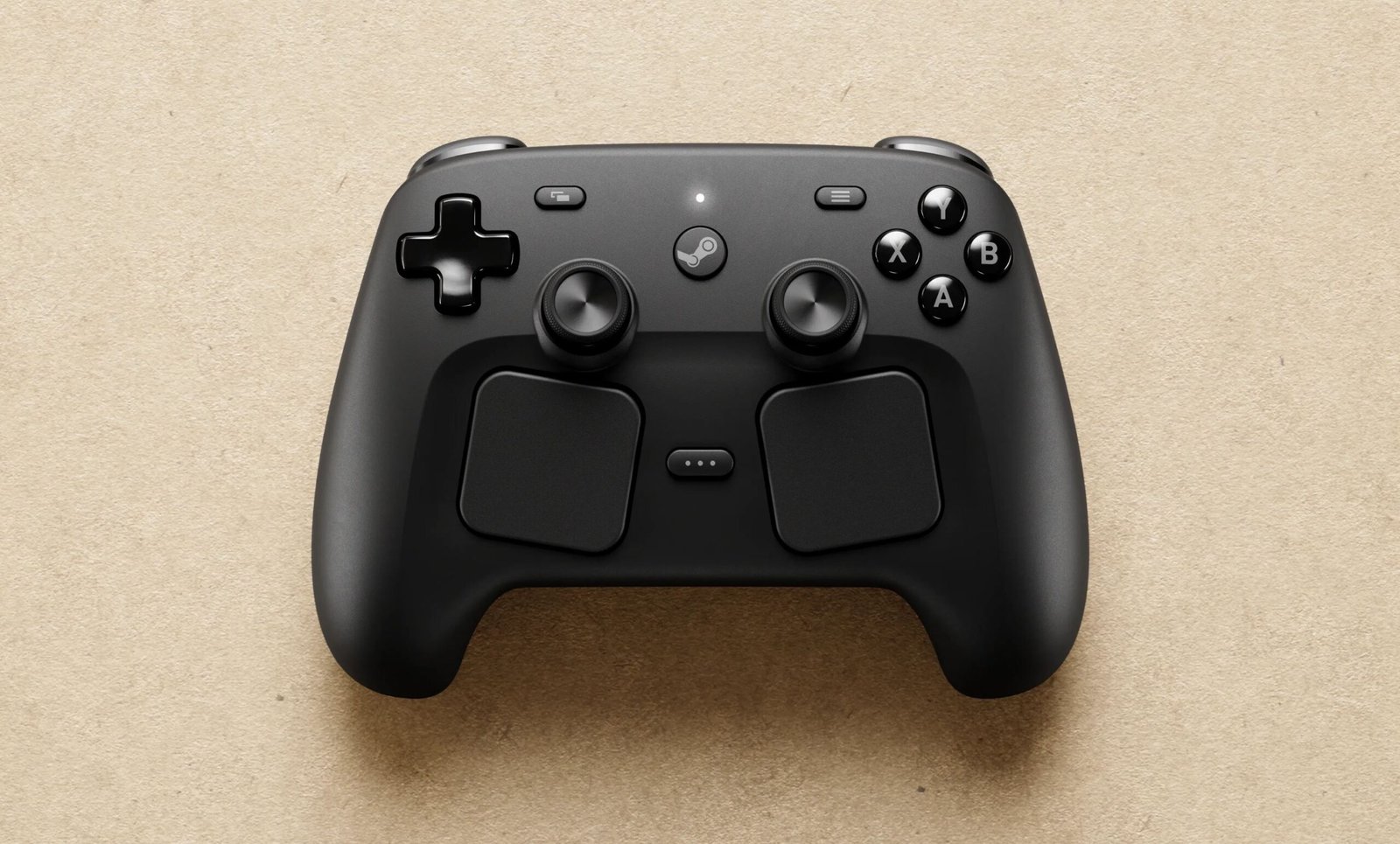
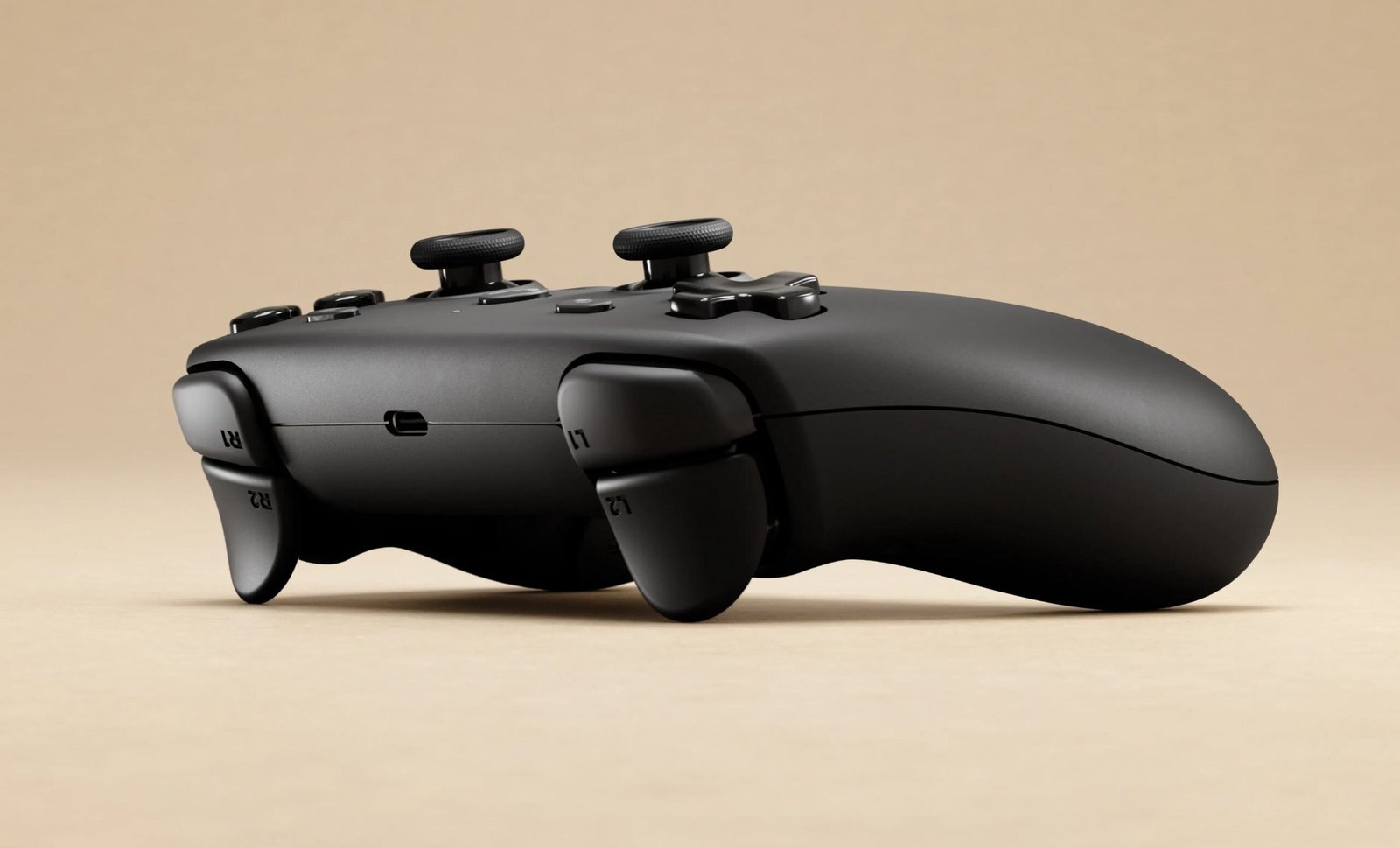
image source: steamdb.info
Rounding out the lineup, the new Steam Controller builds on Valve’s 2015 design, addressing past shortcomings while adopting the Steam Deck’s acclaimed layout for hybrid gaming and navigation. Compatible with Windows, Mac, and Linux PCs, PC handhelds, iOS and Android via Steam Link, Steam Deck, Steam Machine, and Steam Frame, the controller offers versatile connectivity options: pre-paired plug-and-play through the proprietary Steam Controller Puck (supporting up to four controllers, low-latency ~8ms, 4ms polling at 5m), Bluetooth, or wired USB-C. Battery life exceeds 35 hours with a single Li-ion cell, rechargeable via the Puck or USB. The controller features dual TMR (Tunnel Magnetoresistance) magnetic thumbsticks with capacitive touch for improved responsiveness and drift resistance, two ergonomic haptic trackpads, and HD haptics including four haptic motors, two high-output LRA motors in grips, and two LRA motors in trackpads for precise tactile feedback. Additional input includes a D-pad, ABXY face buttons, L/R triggers and bumpers, View/Menu/Steam/QAM buttons, and four assignable grip buttons. The controller also supports pressure-sensitive trackpads, gyro aiming via a 6-axis IMU, and capacitive Grip Sense for quick activation or deactivation of gyro. Testers praised its comfortable ergonomics and intuitive button placement. While the angled trackpads may require a brief adjustment period, the controller excels at delivering mouse-like precision without a dedicated input device, making it ideal for couch-based PC play, VR, and hybrid gaming setups.
Collectively, these products form an interconnected Steam ecosystem, where the Machine can stream to the Frame, the Controller powers on any device via the Deck’s dock, and microSD cards facilitate library sharing. All run the versatile SteamOS, optimized for ARM and x86 titles alike, with Valve emphasizing future-proofing through modular elements and third-party potential. The announcement underscores Valve’s strategy to democratize PC gaming across form factors, echoing the Deck’s impact while pushing boundaries in VR and console-like experiences, though full details on pricing and exact launch dates will follow closer to 2026.
Source: Valve