This article takes a close and practical look at Resident Evil Requiem, covering its key details, technical strengths, and real world performance on the NVIDIA RTX 2060. We tested the game at 1080p using different graphics presets to see how it actually runs in gameplay, not just on paper. Frame rate consistency, VRAM usage, and overall optimization were carefully monitored, along with the performance boost from features like DLSS. The main goal is simple, to find out whether the RTX 2060 can still handle this new release smoothly while keeping the visuals enjoyable.
In This Article
ToggleIntroduction
Resident Evil Requiem is the ninth mainline entry in the long-running Resident Evil survival horror franchise, developed and published by the renowned Japanese studio Capcom. It continues the series’ legacy of terrifying exploration, intense storytelling, and tense resource management, while also introducing fresh elements designed to excite both long-time fans and new players alike. The project was built using Capcom’s advanced RE Engine, a proprietary game engine known for delivering high-fidelity visuals, realistic character animation, detailed environments, and cinematic presentation values that greatly enhance the survival horror experience.
Release Date
Resident Evil Requiem launched worldwide on February 27, 2026, marking a major milestone for the franchise during its 30th anniversary year. Capcom confirmed this date well ahead of launch and supported it with widespread promotional material, pre-loads for digital editions, and global platform releases.
Release Platforms
The game was released across multiple next-generation platforms to ensure broad accessibility, including:
PlayStation 5
Xbox Series X and Xbox Series S
Windows PC (via digital storefronts like Steam and Epic Games Store)
Nintendo Switch 2
These platform choices reflect Capcom’s strategy to leverage modern hardware capabilities and the RE Engine’s strengths while using current-generation systems to deliver the best possible visual and performance experience.
Story and Setting
Resident Evil Requiem takes place in a remote, decaying location cut off from the outside world. The story revolves around a mysterious outbreak connected to hidden experiments and corporate cover ups. As the narrative unfolds, players uncover disturbing documents, encrypted files, and survivor testimonies that slowly reveal the truth behind the catastrophe.
The main character is drawn into the crisis under unexpected circumstances, facing both infected creatures and morally complex survivors. Themes of grief, betrayal, and survival dominate the story, giving the experience emotional weight alongside traditional horror elements.
Gameplay and Mechanics
The gameplay blends classic exploration with modern controls. Players must carefully manage ammunition, health items, and crafting materials. Combat is deliberate and strategic, encouraging precision rather than reckless action.
Key gameplay features include:
Over the shoulder third person perspective
Limited inventory system with item management
Puzzle solving integrated into exploration
Upgradable weapons and defensive tools
Stealth options against stronger enemies
The game emphasizes tension through sound design and enemy unpredictability. Some creatures react to noise, forcing players to think before firing a weapon. Boss encounters require pattern recognition and environmental awareness rather than pure firepower.
More Benchmarks
- RX 6600 2026 Review, 26 Games Tested, Still Worth Buying?
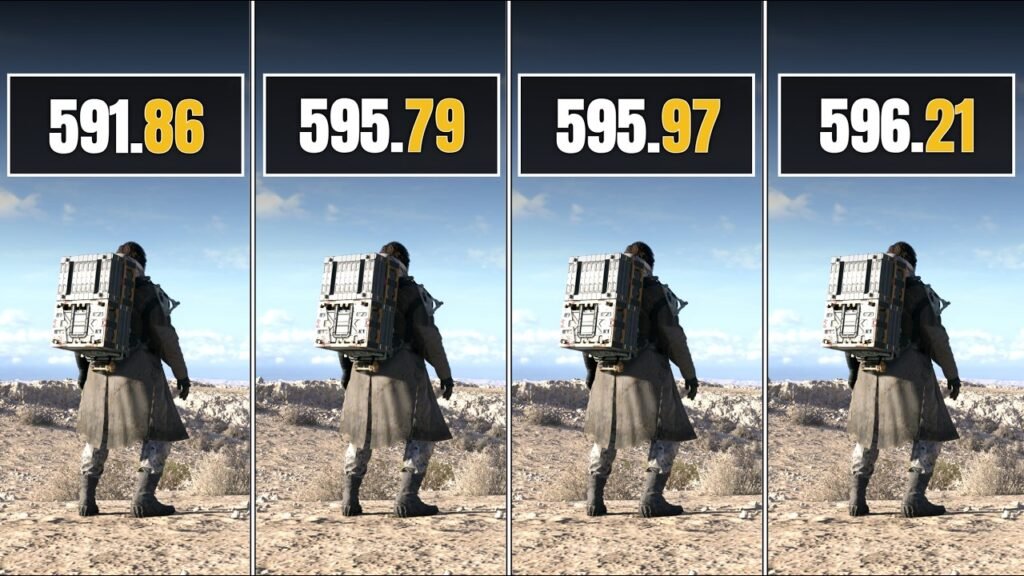
- NVIDIA Driver 596.21 vs 595.79 vs 591.86 vs 595.97
- 8 GPUs – PRAGMATA: RTX 5060, 5060 Ti, 5070 Ti, 2060, RX 9060 XT
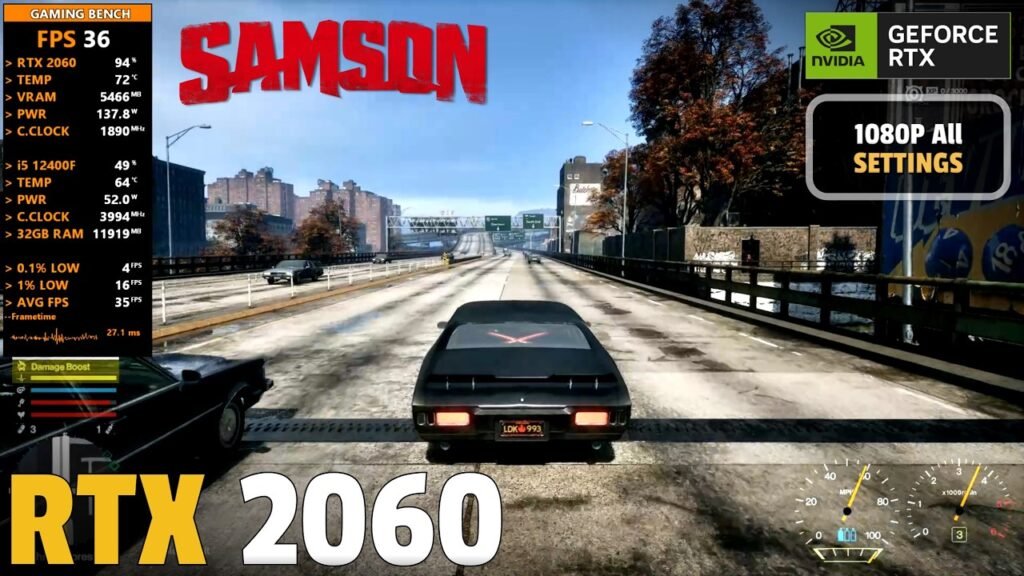
- Samson Performance on RTX 2060 at 1080p – Native, DLSS, FSR 3
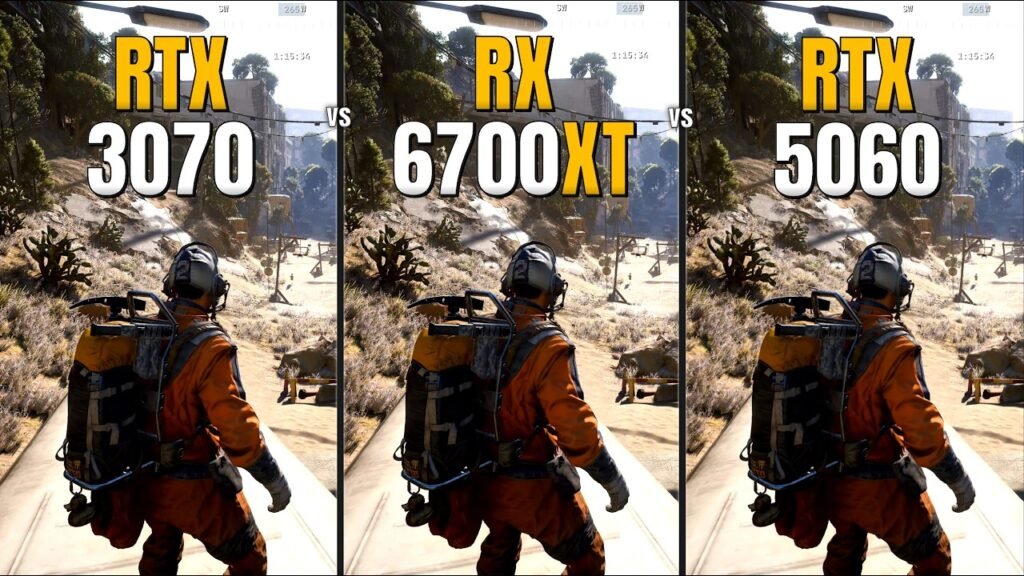
- RTX 5060 vs 3070 vs RX 6700 XT – Raw Performance Comparison
- 12 GPUs – Crimson Desert: RX 9060 XT, 6600, GTX 1660s, RTX 5070 Ti, 5070
- Crimson Desert RTX 2060 Tested at 1080p – Optimized Settings & FPS Analysis
- Resident Evil Requiem: Testing 6 GPUs – RTX 5060, 3070, 5060 Ti, RX 9060 XT
- Resident Evil Requiem: Tested 5 GPUs – GTX 1050 Ti, 1660s, RTX 2060, RX 6600
- RTX 5060 Ti 16GB vs RX 9060 XT 16GB, 14 Latest Games Tested
- RTX 5080 vs RTX 4090 Ultimate Comparison (1080p, 1440p, 2160p)
Resident Evil Requiem Performance Benchmarks
丨Resident Evil Requiem Performance Test on RTX 2060
We tested Resident Evil Requiem on the RTX 2060 graphics card, evaluating its performance across multiple settings. The game was run at 1080p using a range of presets including Max, High, Normal, Low, and Lowest. To gauge real-world performance, we also tested with low texture settings and DLSS set to Quality mode, allowing us to measure frame rates and visual fidelity under different configurations.
丨Testing System
We ran an in depth performance test of Resident Evil Requiem on the RTX 2060 to see how the game handles real world gameplay. During testing, we carefully monitored frame rates, temperatures, and overall system stability to get a clear picture of performance. The test system was built around a Gigabyte B550 Aorus Master motherboard, paired with 32GB of XPG Spectrix D50 3600MHz DDR4 CL18 memory in a 4x8GB configuration. Powering the setup was an AMD Ryzen 5 5600X processor, with a DeepCool DQ850M power supply ensuring stable and consistent power delivery throughout the benchmark sessions.
|
Component
|
Model / Specification
|
|---|---|
|
CPU
|
AMD Ryzen 5 5600X
|
|
Motherboard
|
Gigabyte B550 Aorus Master
|
|
RAM
|
32GB (4x8GB) XPG Spectrix D50 DDR4 3600MHz CL18
|
|
Power Supply
|
DeepCool DQ850M
|
|
Operating System
|
Window 10 (22H2 Version)
|
Benchmark Performance Summary
|
GPU Model
|
Graphic Settings
|
Avg FPS
|
1% Low
|
|---|---|---|---|
|
RTX 2060 (6GB)
|
1080P Max - Low Textures
|
68 FPS
|
48 FPS
|
|
RTX 2060 (6GB)
|
1080P High - Low Textures
|
82 FPS
|
67 FPS
|
|
RTX 2060 (6GB)
|
DLSS 4 Quality - 1080P High - Low Textures
|
73 FPS
|
50 FPS
|
|
RTX 2060 (6GB)
|
1080P Normal
|
96 FPS
|
73 FPS
|
|
RTX 2060 (6GB)
|
1080P Low
|
107 FPS
|
75 FPS
|
|
RTX 2060 (6GB)
|
1080P Lowest
|
132 FPS
|
94 FPS
|
✦ RTX 2060 Performance Overview
We ran a full performance test of Resident Evil Requiem on the RTX 2060 at 1080p, trying everything from the Lowest preset all the way up to Max to see how the game really behaves in everyday gameplay. We also tested DLSS 4 and tweaked texture settings to understand how much VRAM the game uses and how performance changes across different setups. Overall, the game feels well optimized for a mid range GPU like the RTX 2060. Indoor areas run especially well, with smooth frame rates even on higher settings. Outdoor sections are more demanding and put extra load on the GPU, but the game still remains stable and very playable.
When we pushed settings harder, especially combinations like 1080p Max with Low textures, 1080p High with Low textures, DLSS 4 Quality at 1080p High with Low textures, and even the Normal preset at 1080p, VRAM usage came very close to the 6GB limit of the RTX 2060. This clearly shows how important texture management is for stable performance. Shadows and textures are the biggest VRAM consumers in Resident Evil Requiem. High resolution textures require a lot of memory, and advanced shadow settings increase both memory usage and GPU workload because of higher resolution shadow maps and more complex lighting. On a 6GB card, these settings can quickly push memory usage to the edge, especially in detailed outdoor scenes.
If you notice stuttering, sudden FPS drops, or textures loading late, the first thing to lower should be texture quality, set it to Low or Normal. This frees up a significant amount of VRAM without hurting image quality too much. Reducing shadow quality also helps, since it lowers both memory usage and overall GPU load. By adjusting these two settings first, you can keep most visual features looking good while making gameplay smoother and more consistent.

Video Creator
I’m Shoaib Ahmed, Founder of GAMING BENCH. I test games and run detailed benchmarks across various hardware setups, sharing the results on my YouTube channel Since 2019 with real time gameplay.

Author
i’m Afaq Butt author of GAMING BENCH Website. I transforms our youtube benchmarks into clear, structured articles, making the insights easily accessible. Our goal is to provide gamers with reliable, data-driven information to help them make informed decisions and optimize their gaming experience.