In this Ryzen 7 7700X3D vs Ryzen 7 7800X3D comparison, we put both AM5 CPUs through 12 games and productivity benchmarks at 1080p to see which one is worth buying.
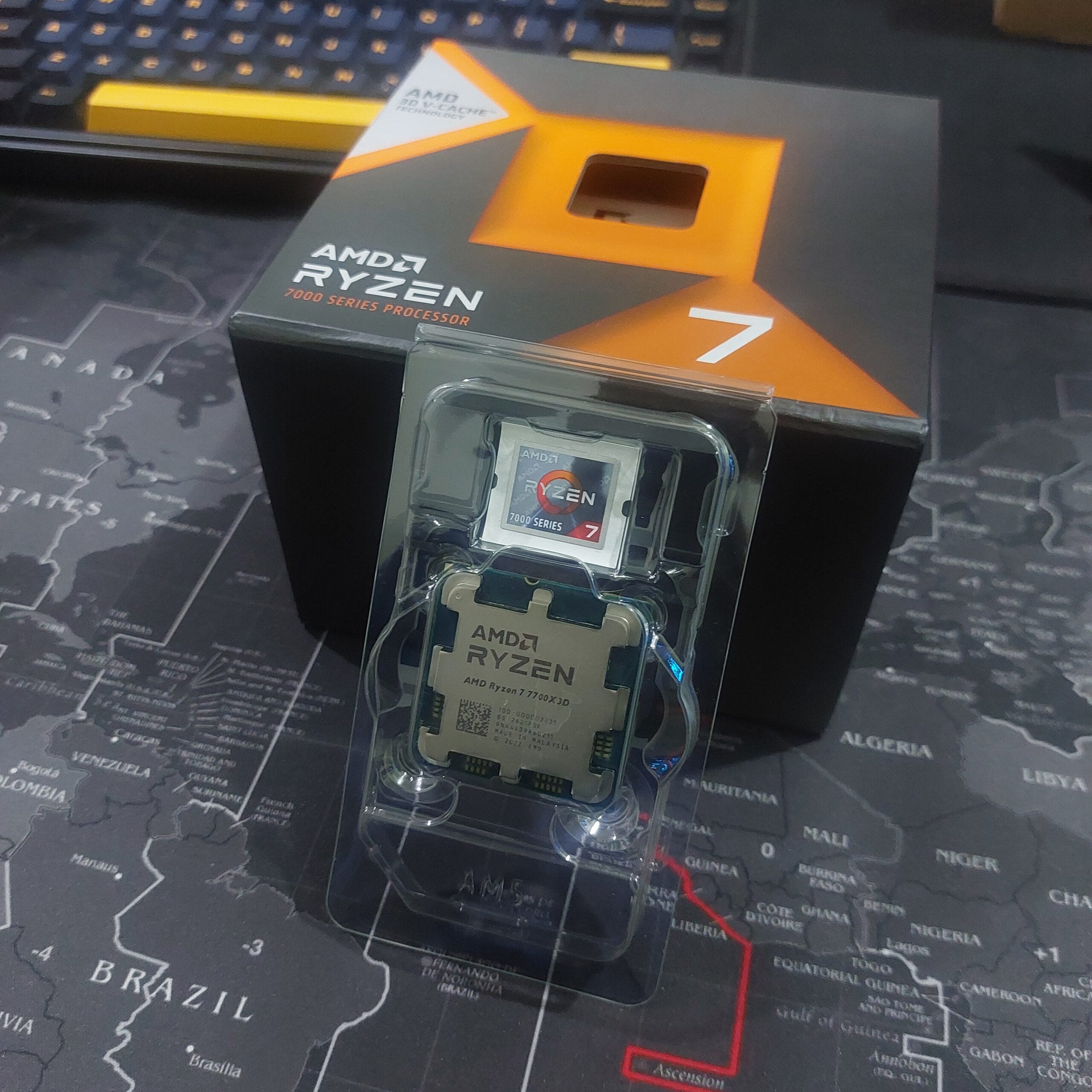
AMD’s newest budget X3D chip, the Ryzen 7 7700X3D, launched on July 16, 2026 as a cheaper entry point into 3D V-Cache gaming, sitting right below the fan-favorite Ryzen 7 7800X3D. On paper, it’s almost the same chip: same 8-core Zen 4 die, same 96MB of stacked L3 cache, same AM5 socket. The only difference AMD made is locking the boost clock down by 500MHz.
But does that 500MHz gap actually matter in real 1080p gameplay? We put both CPUs on the same test bench, same motherboard, same RAM, same RTX 5070 Ti and ran them through 12 games in a CPU-limited 1080p scenario to find out.
Quick Verdict
If you’re building a fresh AM5 gaming PC on a budget, the 7700X3D gets you 95%+ of the 7800X3D’s gaming performance in most titles for less money. But if you’re a competitive/high-refresh gamer, especially CS2 players or if the 7800X3D is on sale near the 7700X3D’s price (which happens often), the 7800X3D is the easy pick.
Specs Comparison
| Spec | Ryzen 7 7700X3D | Ryzen 7 7800X3D |
|---|---|---|
| Cores / Threads | 8 / 16 | 8 / 16 |
| Architecture | Zen 4 (Raphael) | Zen 4 (Raphael) |
| Base Clock | 4.0 GHz | 4.2 GHz |
| Boost Clock | 4.5 GHz | 5.0 GHz |
| L3 Cache (3D V-Cache) | 96MB | 96MB |
| Total Cache | 104MB | 104MB |
| TDP | 120W | 120W |
| Socket | AM5 | AM5 |
| Launch Price | $329 | $449 (launch) |
The two chips are, in AMD’s own words, built from the same silicon, the 7700X3D is essentially a firmware-locked 7800X3D with a 500MHz-lower boost ceiling.
Our Test Bench
Both CPUs were tested on identical hardware to keep the comparison clean:
-
- Motherboard: ASRock X670E PG Lightning
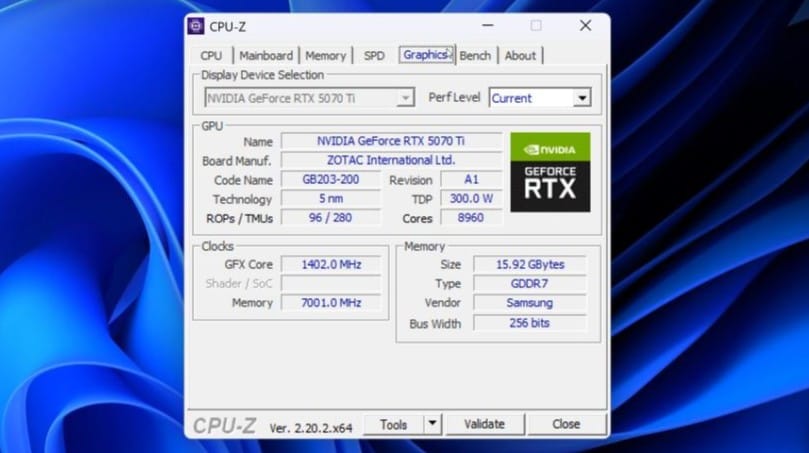
- GPU: ZOTAC NVIDIA GeForce RTX 5070 Ti (16GB GDDR7)
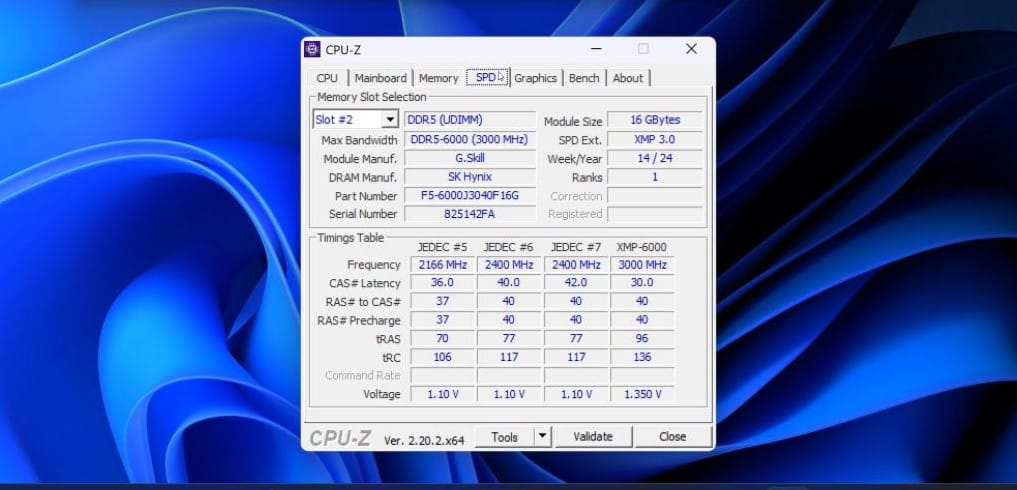
- RAM: 32GB (2x16GB) G.Skill DDR5-6000 CL30, XMP enabled
- CPU Cooler: ID-Cooling Frozn A620 Black (air cooler)
- PBO Settings (both CPUs): PBO Advanced, Temp Limit 85°C, Curve Optimizer (All Cores) -20
- Ambient Room Temperature: 27-35°C during testing (both CPUs tested under the same ambient conditions)
- Resolution: 1080p, CPU-limited settings (to isolate CPU performance)
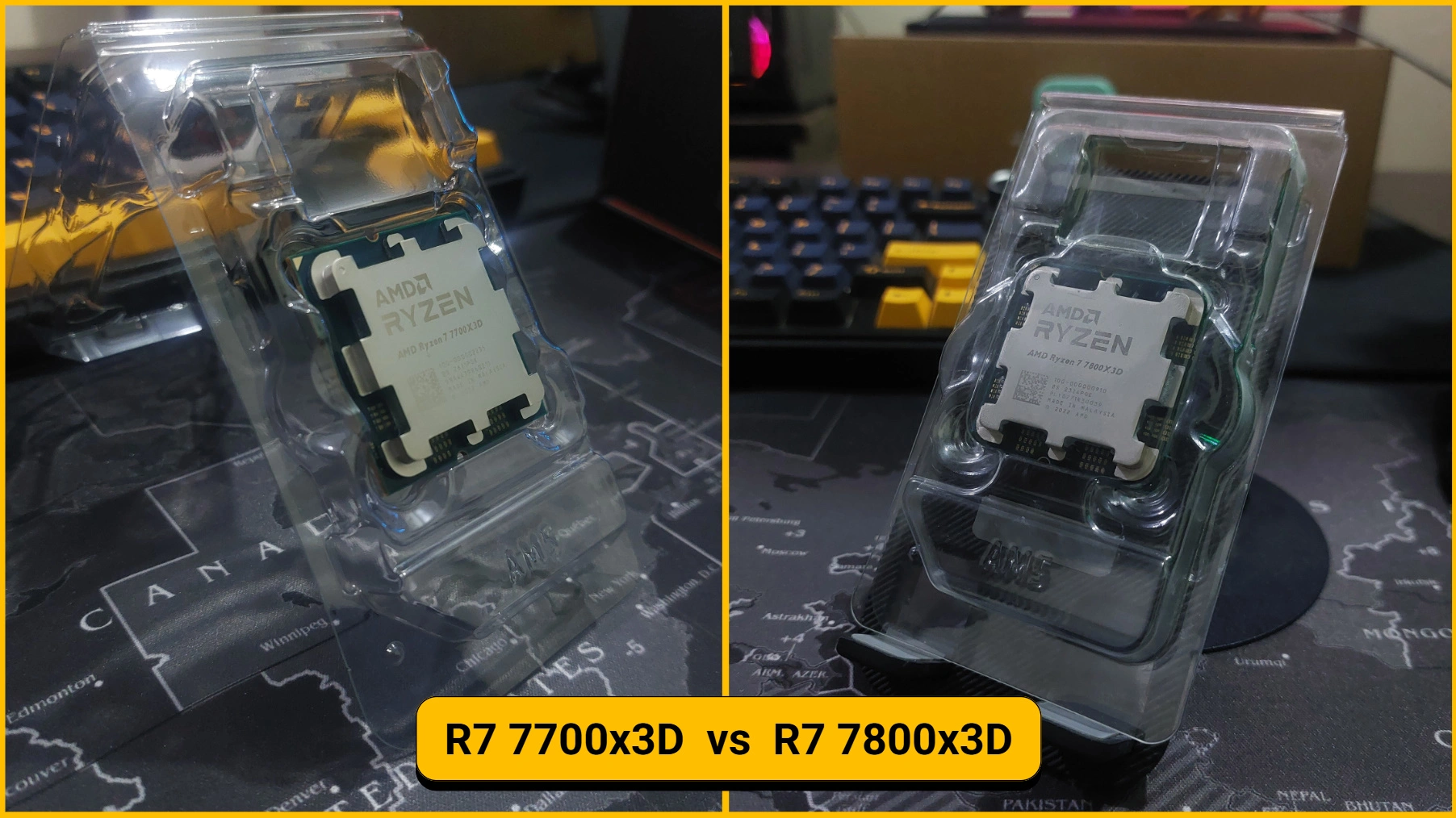
Ryzen 7 7700X3D
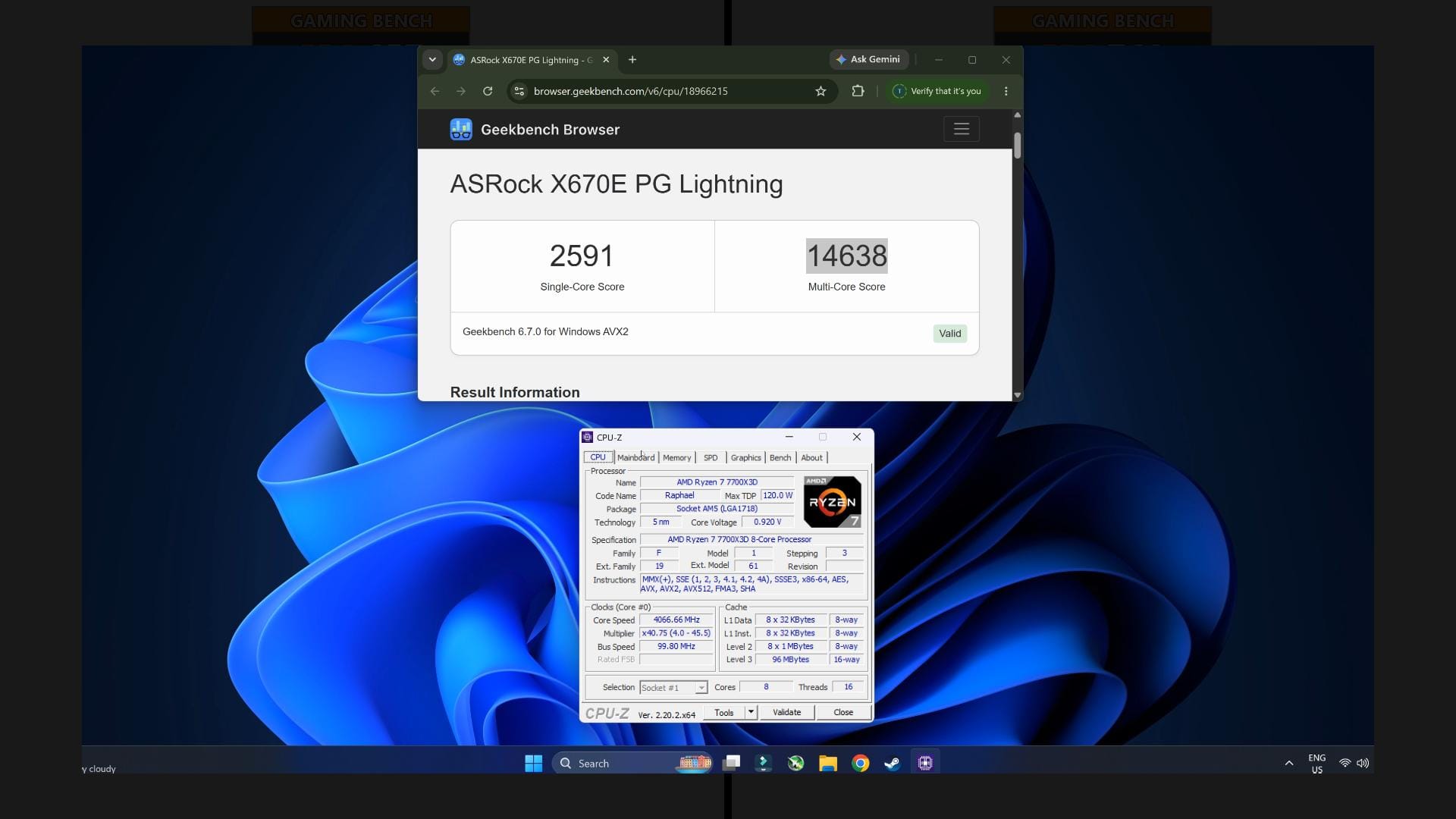
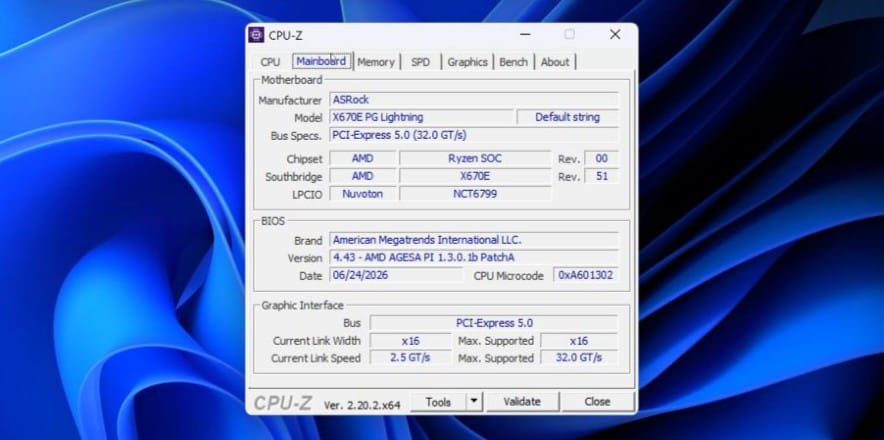
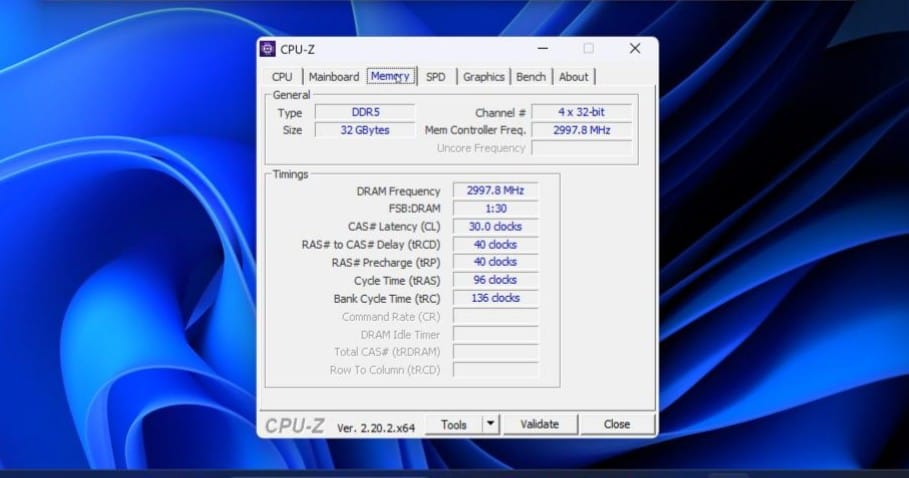
Ryzen 7 7800X3D
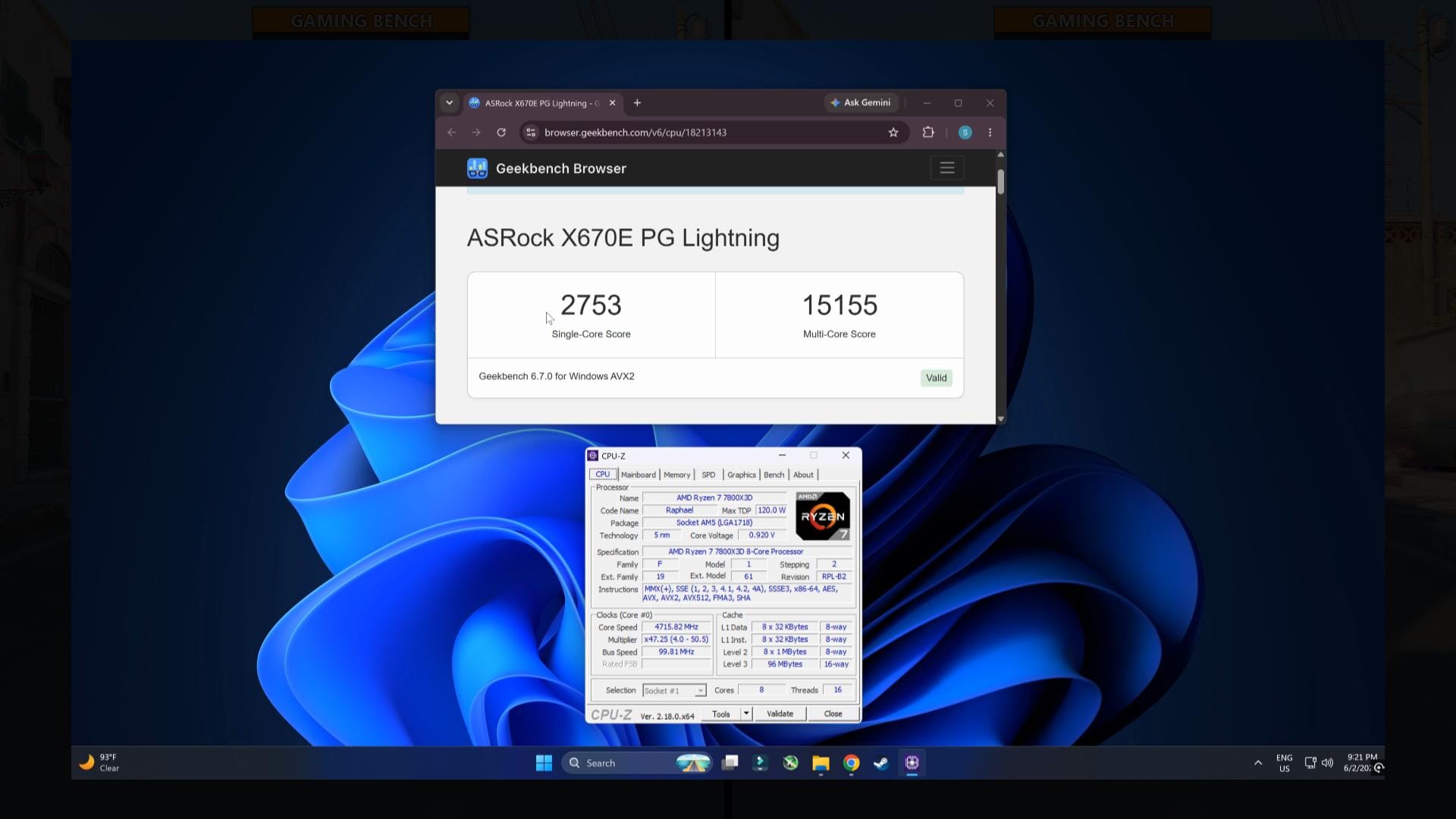
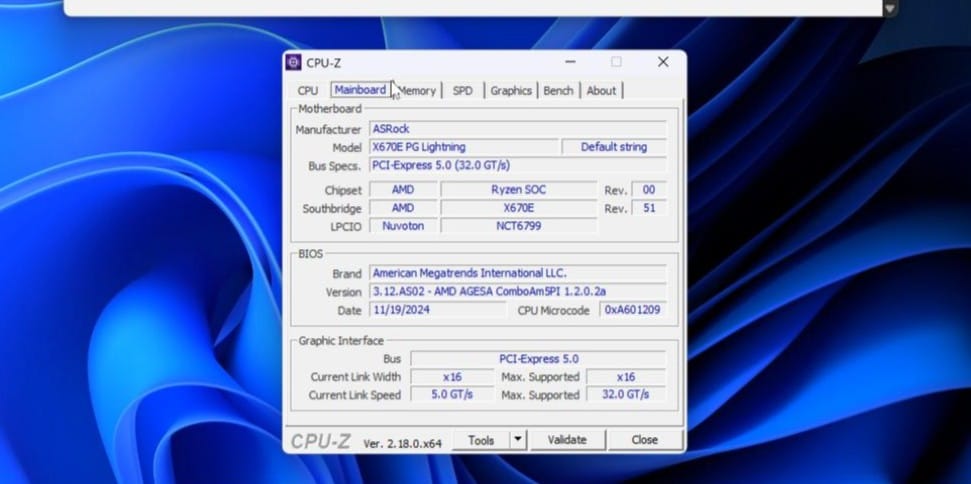
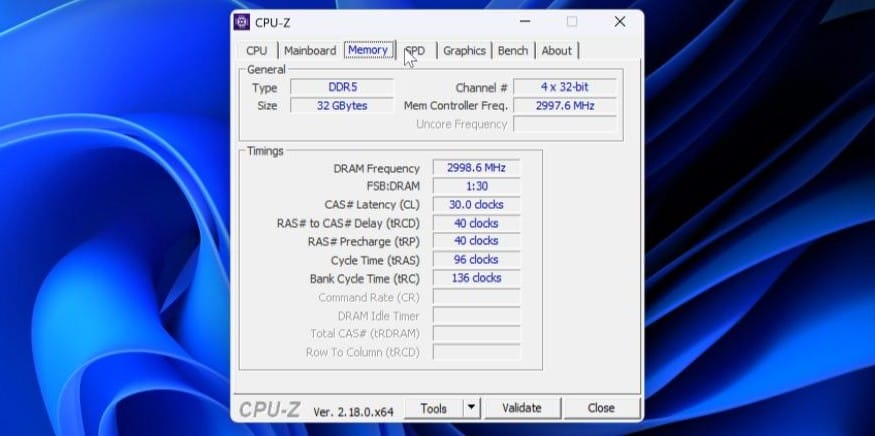
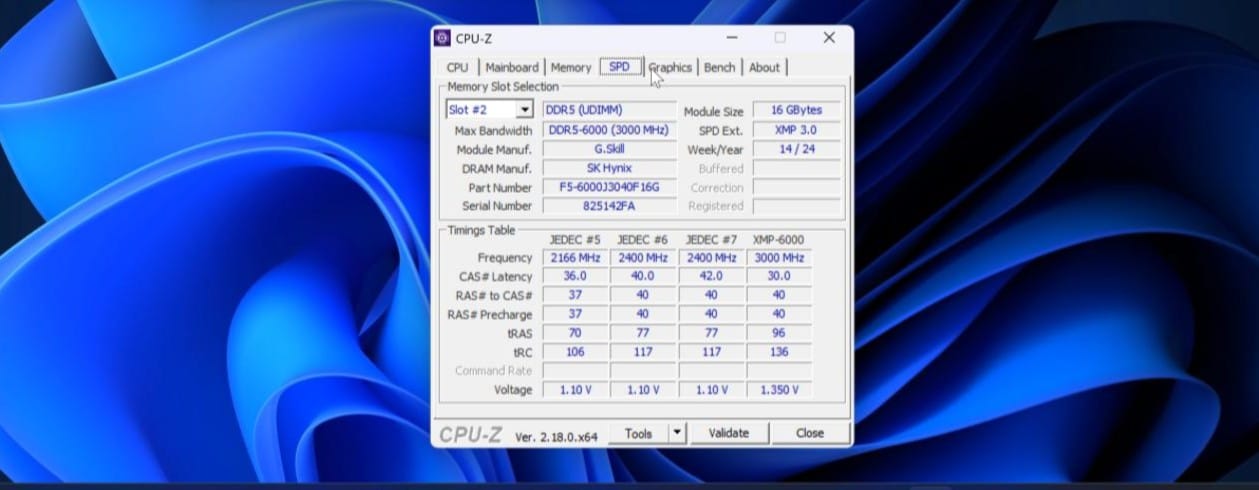
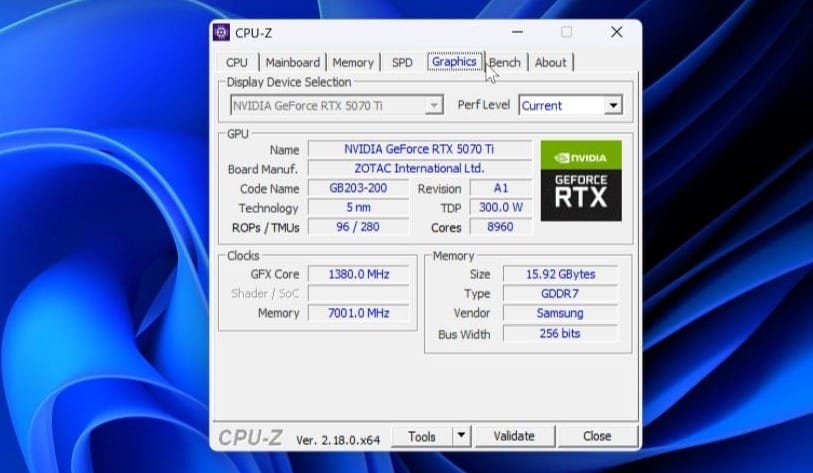
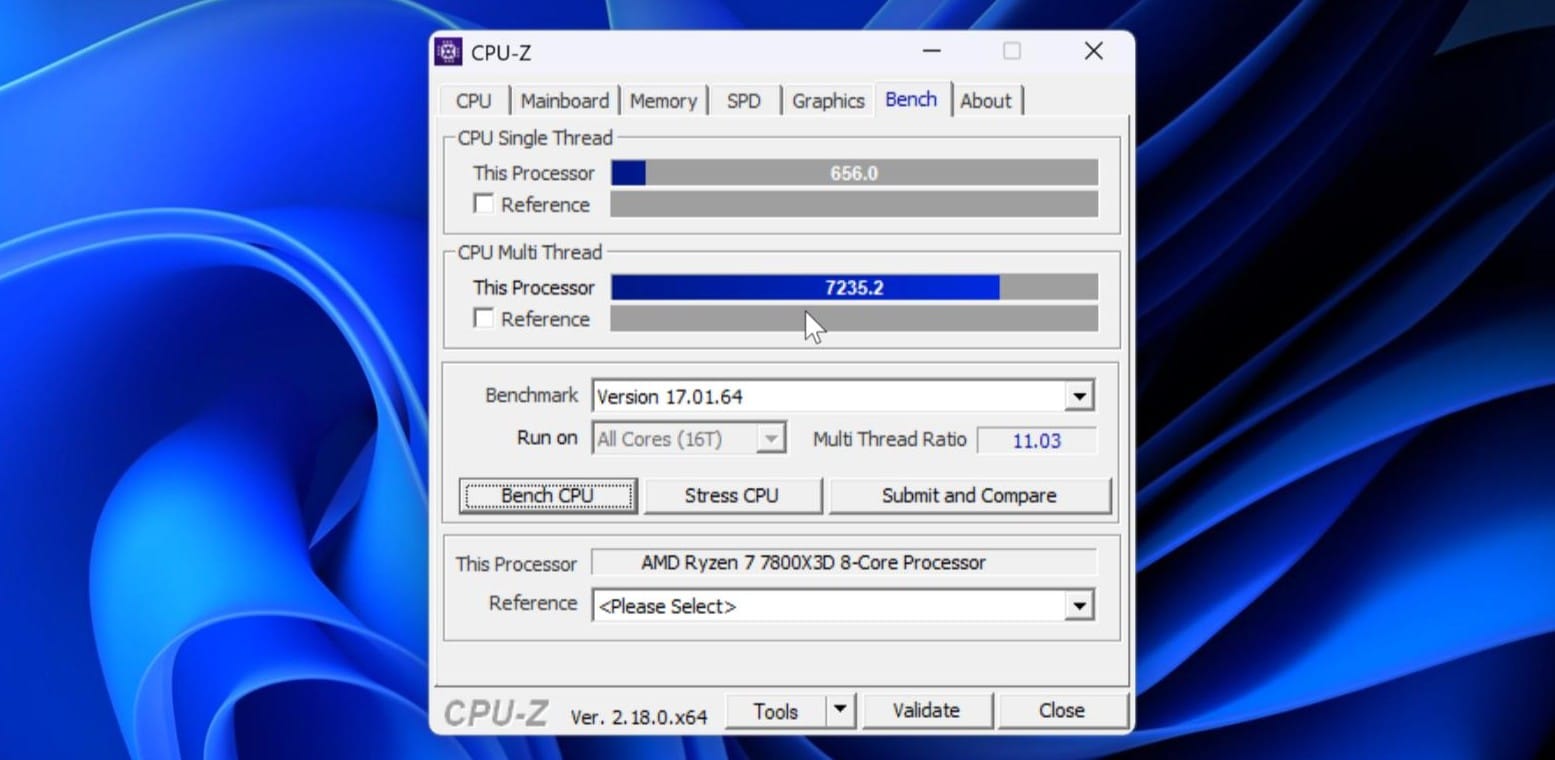
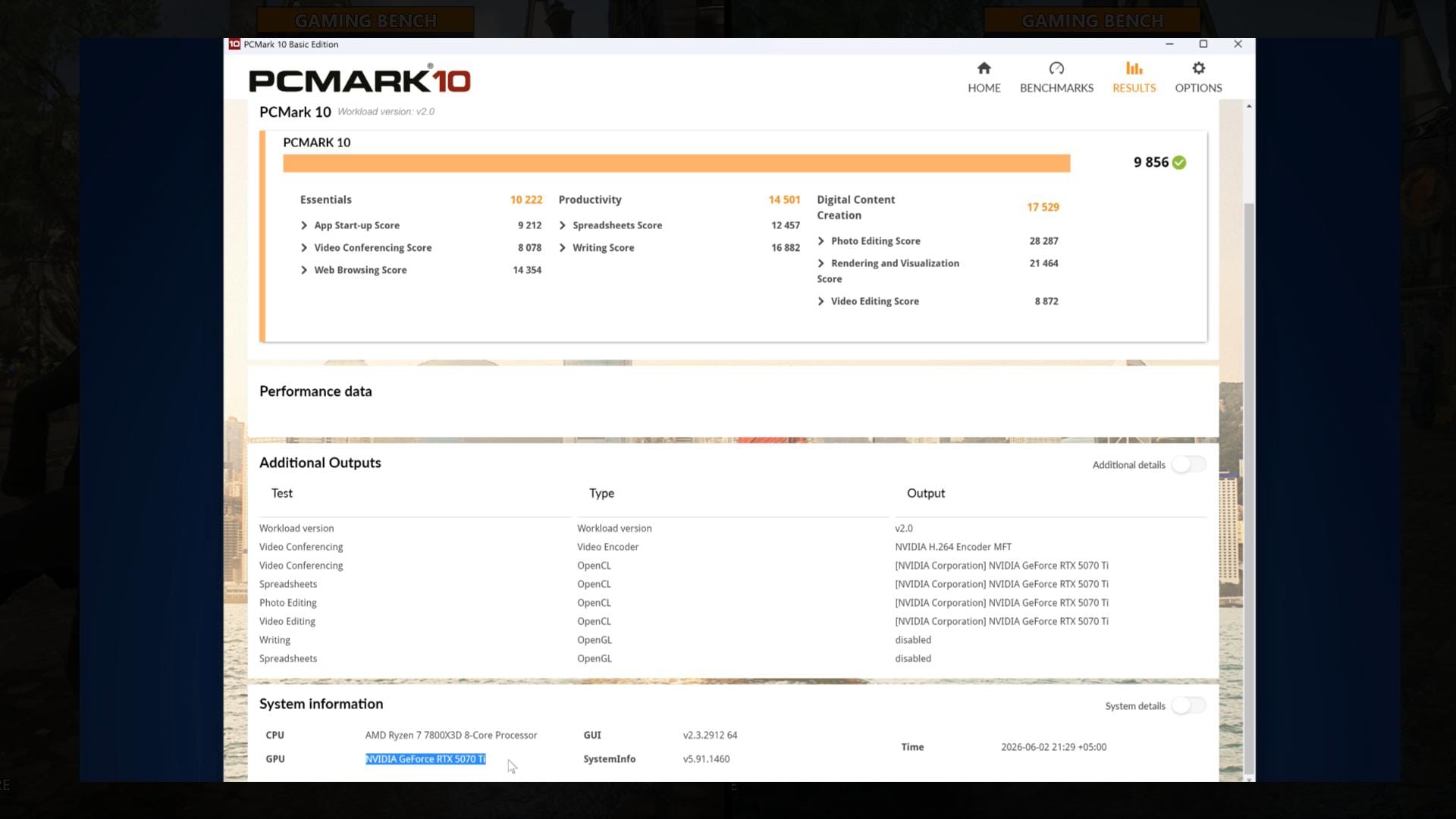
Note: the 7700X3D sample ran on BIOS 4.43 (AGESA 1.3.0.1b) and the 7800X3D on BIOS 3.12 (AGESA ComboAM5PI 1.2.0.2a) both current, stable BIOS versions for the X670E PG Lightning at time of testing.
Productivity & Synthetic Benchmarks
| Test | 7700X3D | 7800X3D | Difference |
|---|---|---|---|
| Geekbench 6 Single-Core | 2,591 | 2,753 | +6.3% |
| Geekbench 6 Multi-Core | 14,638 | 15,155 | +3.5% |
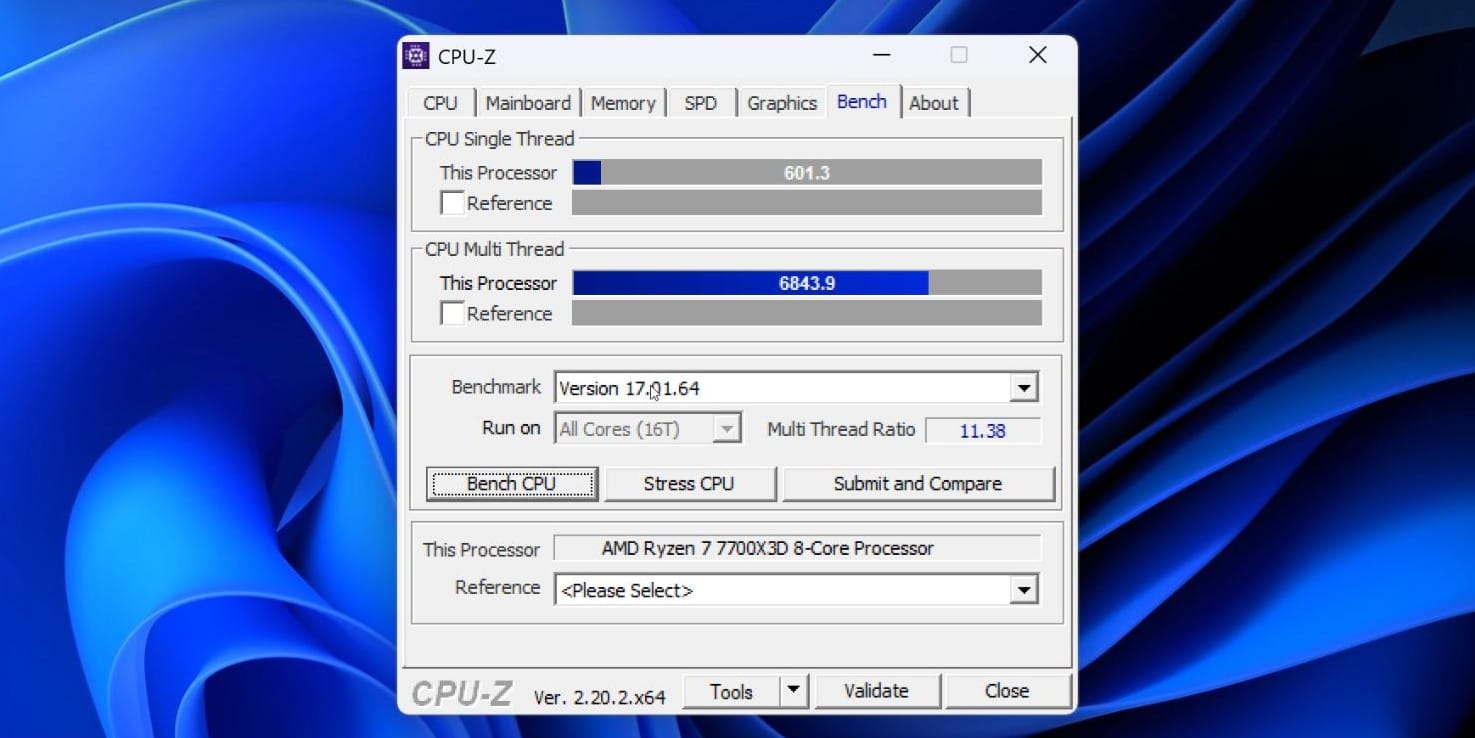
| CPU-Z Single Thread | 601.3 | 656.0 | +9.1% |
| CPU-Z Multi Thread | 6,843.9 | 7,235.2 | +5.7% |
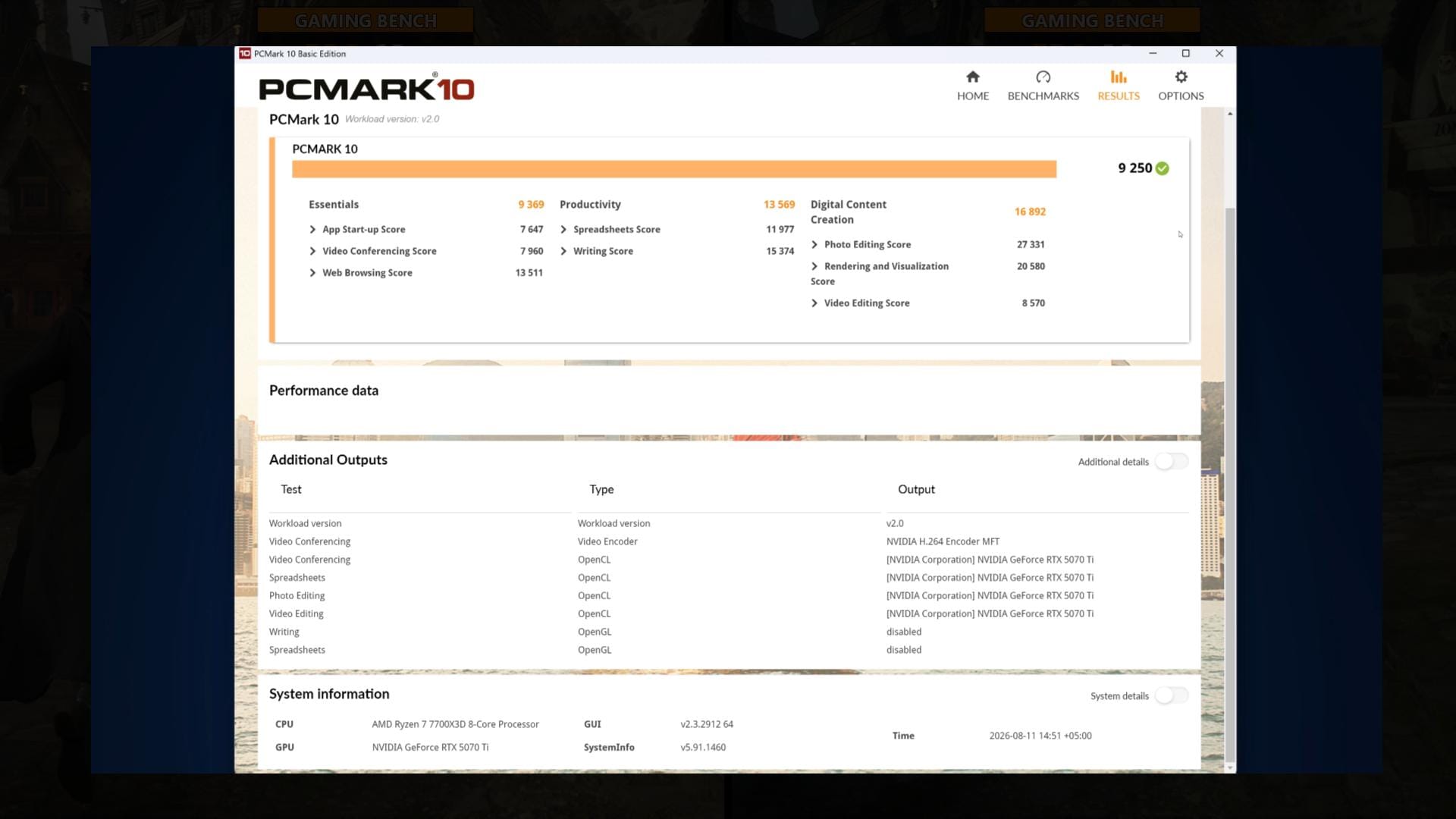
| PCMark 10 Overall | 9,250 | 9,856 | +6.5% |
| PCMark 10 Essentials | 9,369 | 10,222 | +9.1% |
| PCMark 10 Productivity | 13,569 | 14,501 | +6.9% |
| PCMark 10 Digital Content Creation | 16,892 | 17,529 | +3.8% |
The 7800X3D leads consistently across every productivity test, landing around 5-9% ahead right in line with its higher clock speeds.
Ryzen 7 7700X3D vs Ryzen 7 7800X3D: Gaming Benchmarks (1080p)
| Game | 7700X3D Avg FPS | 7800X3D Avg FPS | Difference | 7700X3D 1% Low | 7800X3D 1% Low |
|---|---|---|---|---|---|
| Death Stranding 2: On the Beach | 154 Avg FPS | 157 Avg FPS | +1.9% | 123 | 123 |
| 007 First Light | 118 Avg FPS | 121 Avg FPS | +2.5% | 87 | 91 |
| Battlefield 6 | 253 Avg FPS | 266 Avg FPS | +5.1% | 194 | 206 |
| Clair Obscur: Expedition 33 | 157 Avg FPS | 160 Avg FPS | +1.9% | 125 | 126 |
| Counter-Strike 2 | 646 Avg FPS | 742 Avg FPS | +14.8% | 222 | 255 |
| Cyberpunk 2077 | 121 Avg FPS | 125 Avg FPS | +3.3% | 90 | 89 |
| Warhammer 40,000: Space Marine 2 | 130 Avg FPS | 133 Avg FPS | +2.3% | 106 | 113 |
| Forza Horizon 6 | 169 Avg FPS | 182 Avg FPS | +7.6% | 125 | 123 |
| Hogwarts Legacy | 68 Avg FPS | 68 Avg FPS | +0% | 37 | 39 |
| The Last of Us Part I | 157 Avg FPS | 167 Avg FPS | +6.3% | 117 | 130 |
| Marvel’s Spider-Man 2 | 163 Avg FPS | 175 Avg FPS | +7.3% | 104 | 107 |
| Resident Evil Requiem | 239 Avg FPS | 241 Avg FPS | +0.8% | 189 | 186 |
Key takeaways per game:
- Counter-Strike 2 is the outlier: a +14.8% gap, far bigger than the ~11% clock difference would suggest. At the extremely high frame rates CS2 pushes, the extra 500MHz clearly matters more.
- Hogwarts Legacy showed zero difference (68 FPS on both) and it isn’t a GPU limit: the RTX 5070 Ti was only around 50% utilized on both runs. Hogwarts Legacy is a heavily CPU-bound game that leans on core count and threads more than clock speed, and since both chips are 8-core/16-thread with identical cache, the 500MHz boost gap doesn’t help here. Expect low 1% lows (37-39 FPS) on either chip.
- Resident Evil Requiem was nearly identical (+0.8%) at around 240 FPS both chips land within a couple of FPS of each other.
- Forza Horizon 6, Spider-Man 2, and The Last of Us Part I showed a solid mid-range gap (6-8%), likely due to their heavier CPU-side simulation/streaming workloads.
- Most other titles landed in the 2-5% range, small but consistent, matching what you’d expect from a 500MHz clock difference on otherwise identical silicon.
CPU Temperatures
| Game | 7700X3D Temp | 7800X3D Temp |
|---|---|---|
| Death Stranding 2 | 71°C | 74°C |
| 007 First Light | 70°C | 73°C |
| Battlefield 6 | 72°C | 75°C |
| Clair Obscur: Expedition 33 | 63°C | 64°C |
| Counter-Strike 2 | 63°C | 70°C |
| Cyberpunk 2077 | 67°C | 70°C |
| Space Marine 2 | 65°C | 68°C |
| Forza Horizon 6 | 71°C | 72°C |
| Hogwarts Legacy | 69°C | 68°C |
| The Last of Us Part I | 77°C | 78°C |
| Marvel’s Spider-Man 2 | 66°C | 69°C |
| Resident Evil Requiem | 67°C | 72°C |
| Average | 68.4°C | 71.1°C |
Testing was done with an ambient room temperature of 27-35°C, so absolute temperatures will be lower in a cooler room. Both CPUs were tested under the same conditions, so the comparison between them holds.
The 7800X3D ran about 2.7°C warmer on average, which tracks with its higher boost clock and power draw (it pulled roughly 5-15W more than the 7700X3D in most of our game tests). Neither chip came close to thermal throttling on this cooler — both stayed well within safe operating range throughout testing.
Overall Performance Summary
Across all 12 games, the 7800X3D was faster or equal in every single title, with an average gap of roughly 4.5% per game. Counter-Strike 2 is the one big outlier at +14.8%, while several titles landed under 3%. For most single-player and story-driven games, the two chips trade blows within a few FPS of each other, the 7700X3D holds up remarkably well.
Price-to-Performance
This is where things get interesting. The 7700X3D launched at $329, well under the 7800X3D’s $449 launch price. But the 7800X3D has aged into steep discounts, it’s been regularly spotted between $324 and $360 in recent months, sometimes landing within $10-30 of the 7700X3D.
When the price gap shrinks that much, the math flips almost entirely in the 7800X3D’s favor: you’re getting a CPU that’s faster in every game we tested, for close to the same money. The 7700X3D only pulls ahead on value when it’s discounted below its own MSRP, or when the 7800X3D is sitting near its $449 list price.
(Check current prices before buying – X3D chip pricing shifts fast.)
Which One Should You Buy?
- Budget AM5 gaming build: The 7700X3D is a great foundation if the price gap to the 7800X3D is $40+ you’re losing very little real-world performance.
- No-compromise gaming build / competitive players: Go with the 7800X3D, especially if you play CS2 or other high-refresh esports titles where the clock advantage shows up most.
- Already have an AM5 system and upgrading: The 7800X3D is the safer buy when prices are close, the extra performance headroom costs little extra.
Watch the Full Benchmark Video
FAQ
Is the Ryzen 7 7700X3D worth it over the 7800X3D? Yes, if you can find it noticeably cheaper. In most games the gap is only 2-5%, though it can be much bigger in CPU-heavy titles like Counter-Strike 2.
What motherboard does the Ryzen 7 7700X3D need? Any AM5 motherboard (600 or 800 series chipset) with an updated BIOS, paired with DDR5 memory.
Is the 7700X3D good for 1080p gaming? Yes – in our CPU-limited 1080p tests it stayed within a few percent of the 7800X3D in most games, making it a strong budget 1080p/1440p gaming chip.
How much slower is the 7700X3D than the 7800X3D in gaming? About 4-5% on average across a 12-game test suite, though this varies significantly by title, from no difference in Hogwarts Legacy to nearly 15% in Counter-Strike 2.