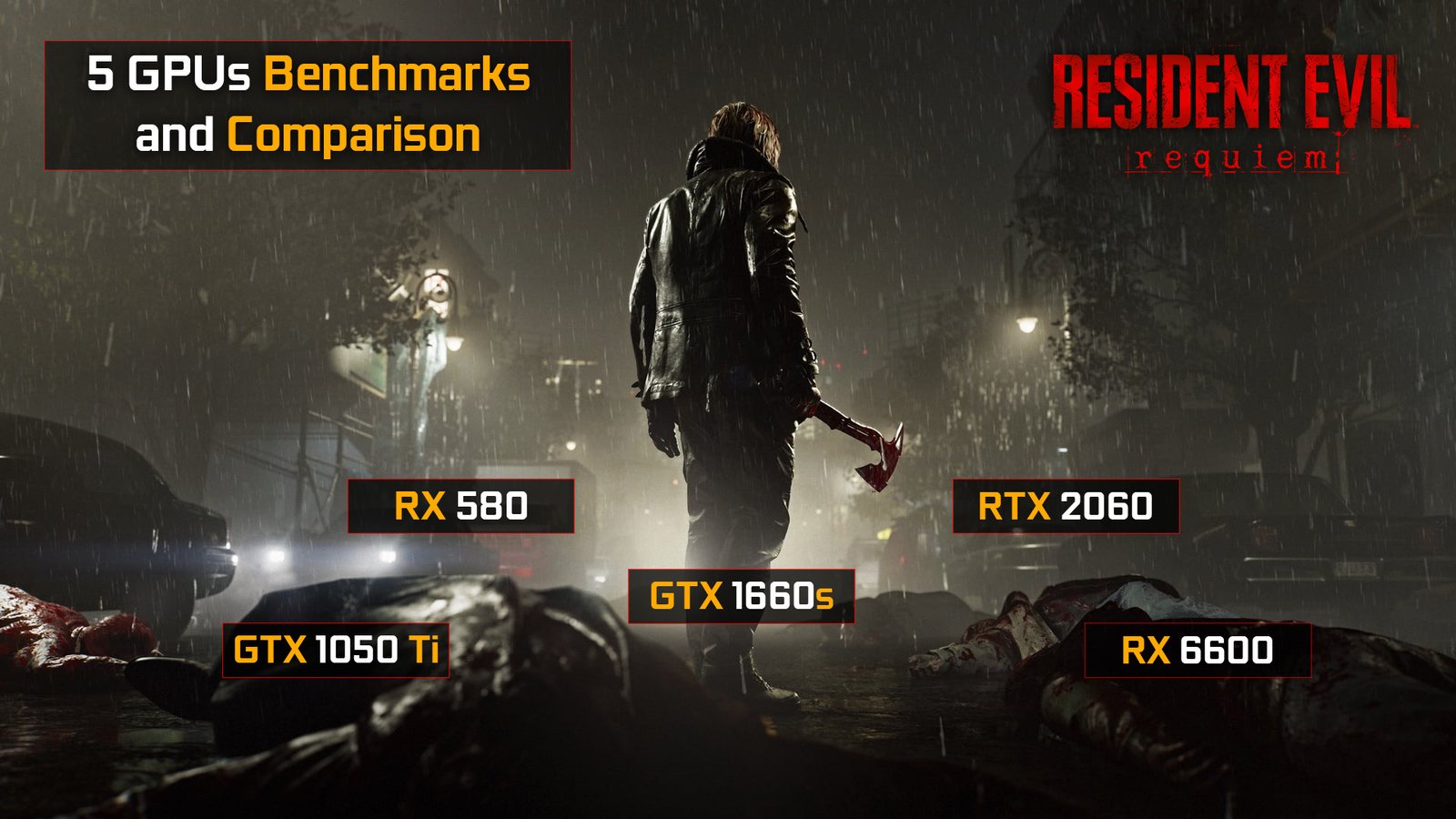
In this article, we analyze the performance of Resident Evil Requiem across five different graphics cards: GTX 1050 Ti, RX 580, GTX 1660 Super, RTX 2060, and RX 6600. By testing multiple presets, including the Lowest and our custom Optimized settings, we reveal how the game scales from entry-level to mid-range systems. Alongside detailed GPU comparisons, we provide insights into frame rates, stability, and real-world performance, helping players understand what to expect on different hardware setups. Following the benchmarks, we explore the game’s story, design, and gameplay, as the latest entry in the iconic survival horror series introduces new storylines and refined mechanics that appeal to both longtime fans and newcomers, offering an engaging experience beyond the numbers.
In This Article
ToggleIntroduction
Resident Evil Requiem, the ninth mainline entry in the iconic Resident Evil survival horror series developed by Capcom, continues the franchise’s tradition of terrifying exploration, gripping storytelling, and tense resource management, while adding new features to engage both longtime fans and newcomers. Built on Capcom’s advanced RE Engine, the game delivers high-fidelity visuals, realistic character animation, detailed environments, and cinematic presentation that elevate the survival horror experience. Released worldwide on February 27, 2026, as part of the series’ 30th anniversary, the game launched with extensive promotional support and digital pre-load options. It is available on PlayStation 5, Xbox Series X and S, Windows PC via Steam and Epic Games Store, and Nintendo Switch 2, reflecting Capcom’s goal to maximize accessibility while leveraging modern hardware and the RE Engine’s capabilities for the best possible visual and performance experience.
Story and Setting
Resident Evil Requiem takes place in a remote, decaying location cut off from the outside world. The story revolves around a mysterious outbreak connected to hidden experiments and corporate cover ups. As the narrative unfolds, players uncover disturbing documents, encrypted files, and survivor testimonies that slowly reveal the truth behind the catastrophe.
The main character is drawn into the crisis under unexpected circumstances, facing both infected creatures and morally complex survivors. Themes of grief, betrayal, and survival dominate the story, giving the experience emotional weight alongside traditional horror elements.
Resident Evil Requiem Performance Benchmarks
丨5 GPUs Benchmarks
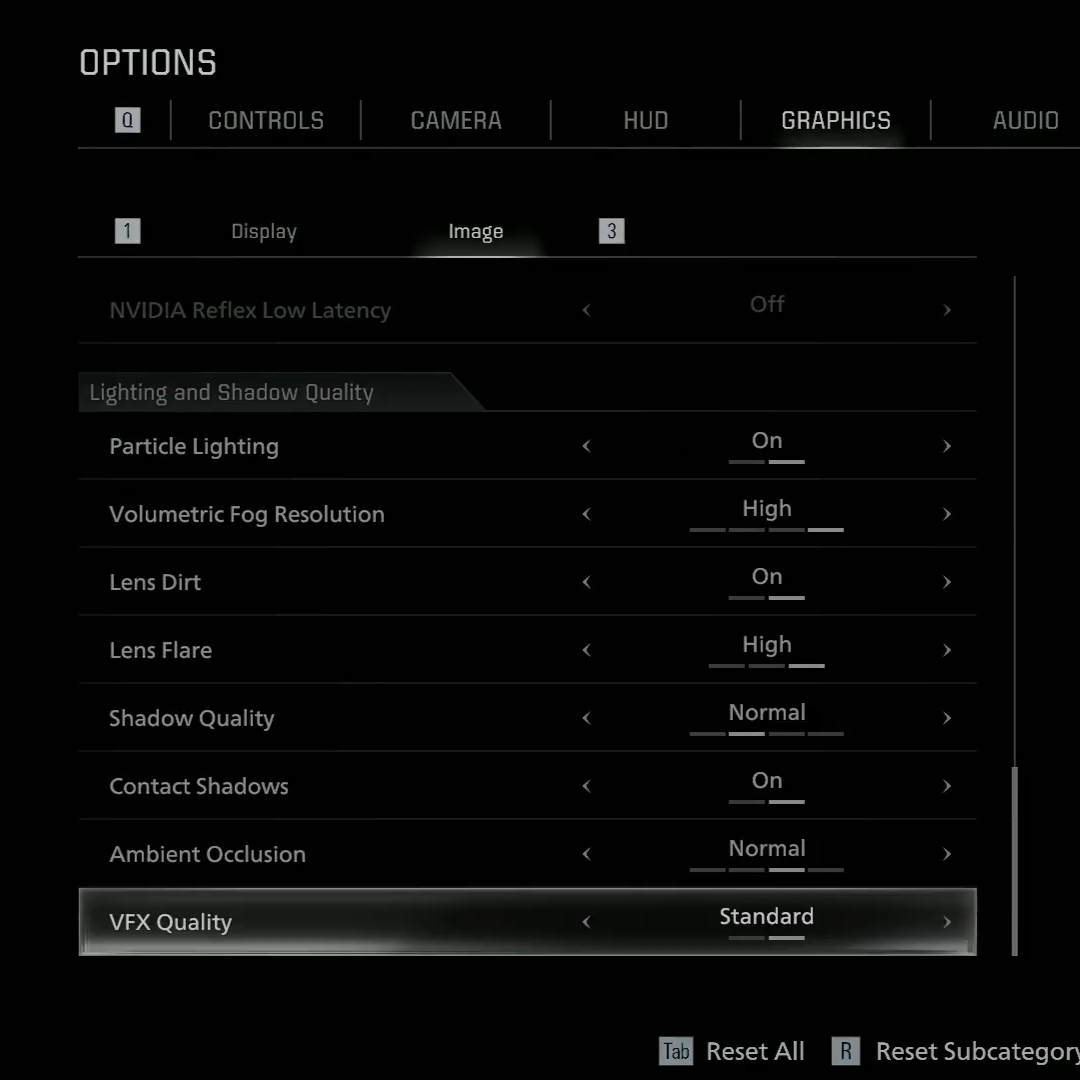
We tested Resident Evil Requiem on five different graphics cards, GTX 1050 Ti, RX 580, GTX 1660 Super, RTX 2060, and RX 6600, all at 1080p to see how the game scales across entry level to mid range hardware. Each GPU was evaluated using multiple presets, including the Lowest and our custom Optimized settings, to understand real world performance differences. In addition, we enabled FSR 3.1.5 in both Performance plus Frame Generation and Quality plus Frame Generation modes. This allowed us to closely measure frame rates, overall smoothness, and visual clarity under different configurations, giving a clear picture of how well the game runs across a wide range of systems. You can watch our full benchmark video on YouTube to see how the game performed on all cards and settings.
丨Testing System
Our test platform included a Gigabyte B550 Aorus Master motherboard, 32GB (4×8GB) XPG Spectrix D50 DDR4 3600MHz CL18 memory, an AMD Ryzen 5 5600X processor Boostclock to 4.6GHz, and a DeepCool PQ850 850W 80+ Gold power supply.
Component |
Model / Specification |
|---|---|
CPU
|
AMD Ryzen 5 5600X @ 4.6GHz
|
Motherboard
|
Gigabyte B550 AORUS Master
|
RAM
|
XPG Spectrix D50 32GB (4×8GB) DDR4 3600MHz CL 18 Ram
|
Power Supply
|
Deepcool PQ850 – 850W 80+ Gold
|
Storage
|
XPG S40G 512GB RGB M.2 Gen 3
|
Operating System
|
Windows 10 – Version 22H2
|
Benchmark Performance Summary
GPU Model |
Graphic Settings |
Inside Area AVG FPS |
Outside Area AVG FPS |
|---|---|---|---|
GTX 1050 Ti (4GB)
|
1080P - Lowest Graphics - FSR 3.1.5 Performance + FG
|
61 FPS
|
48 FPS
|
RX 580 (8GB)
|
1080P - Optimized Graphics - FSR 3.1.5 Quality + FG
|
98 FPS
|
91 FPS
|
GTX 1660 Super (6GB)
|
1080P - Optimized Graphics
|
64 FPS
|
55 FPS
|
RTX 2060 (6GB)
|
1080P - Optimized Graphics
|
70 FPS
|
63 FPS
|
RX 6600 (8GB)
|
1080P - Optimized Graphics
|
68 FPS
|
64 FPS
|
丨GTX 1050 Ti vs RX 580 (8GB) Comparison
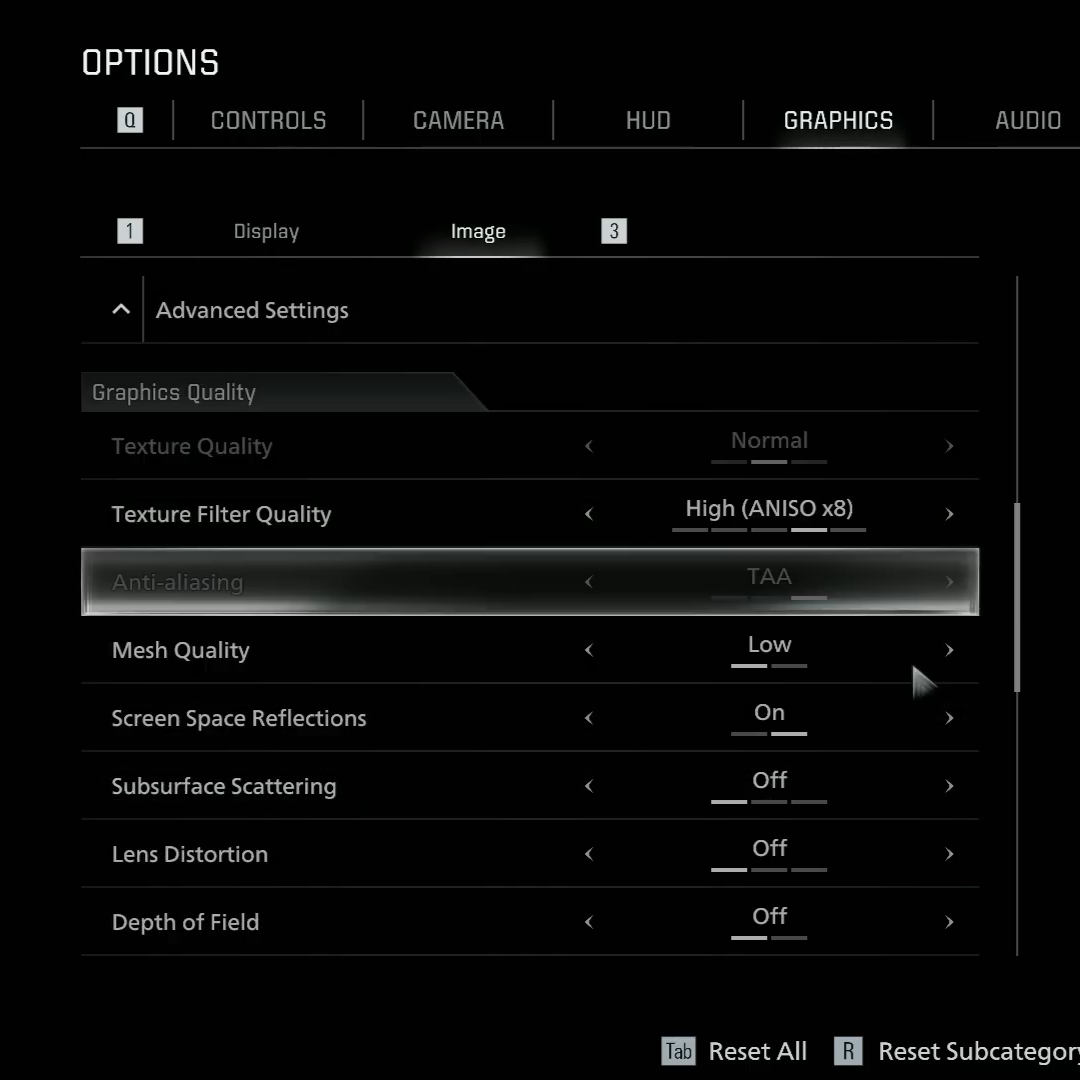
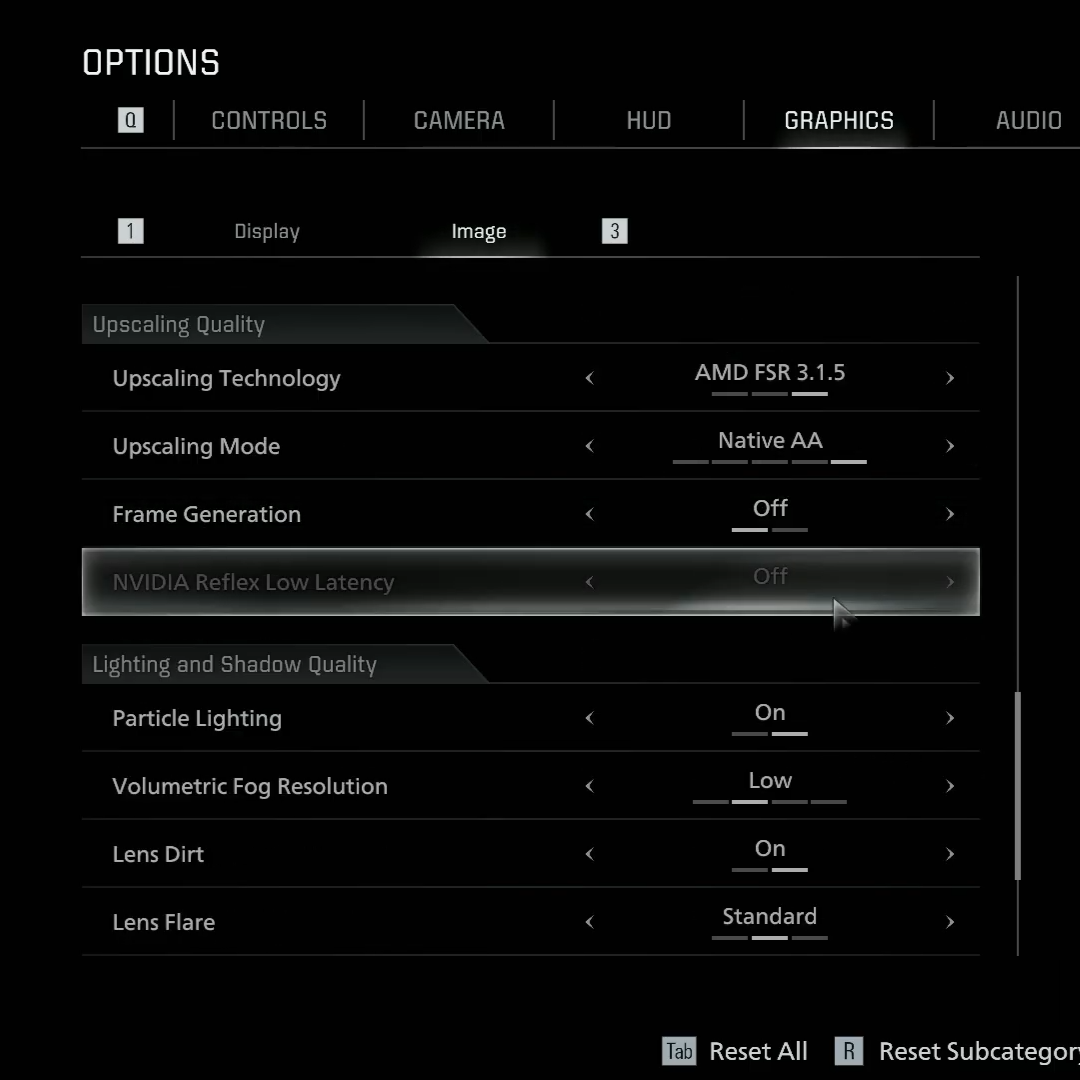
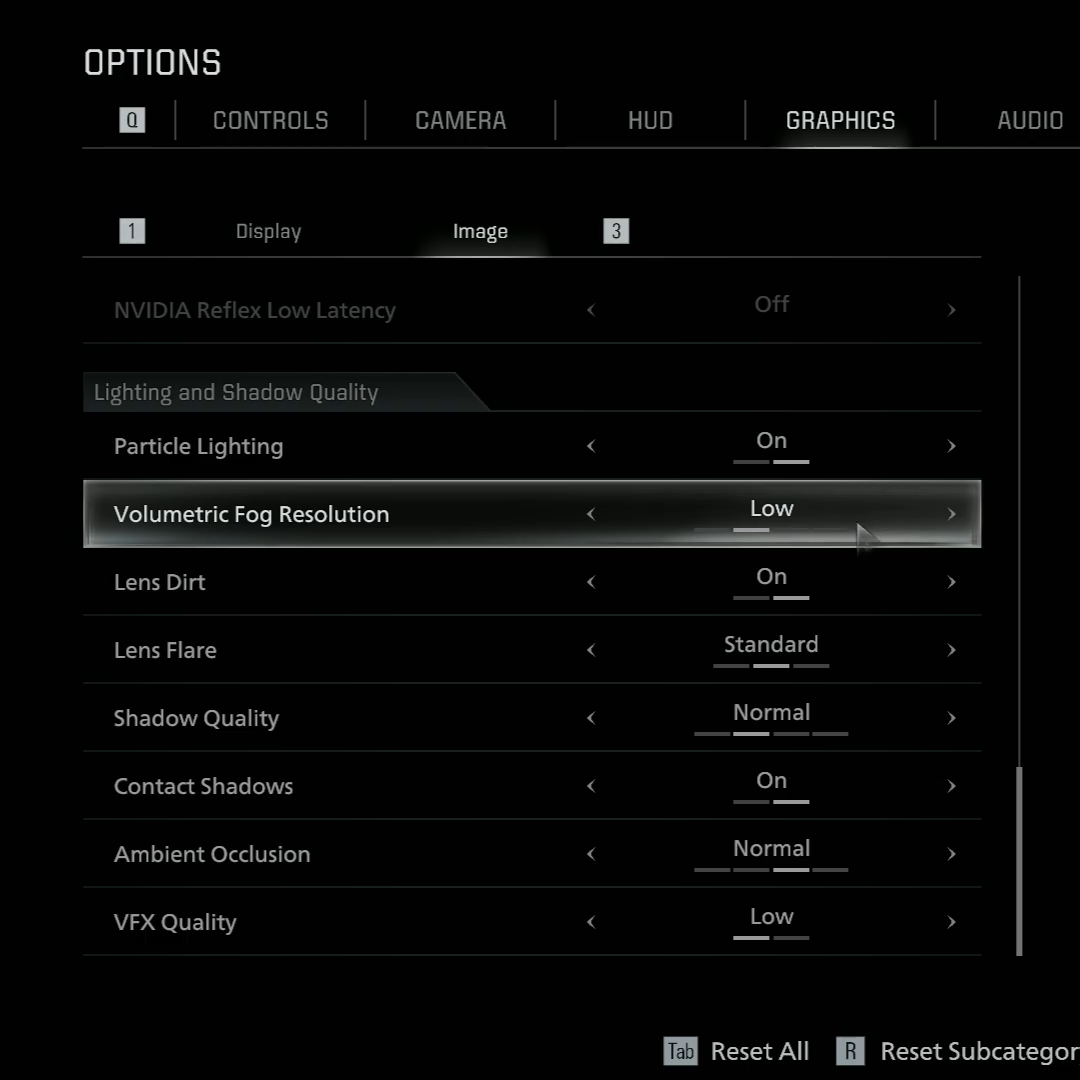
I also provide a direct comparison between the GTX 1050 Ti and RX 580 (8GB). Below are the benchmark results, including performance metrics and the settings used for testing.
GTX 1050 Ti (4GB) |
RX 580 (8GB) | ||
|---|---|---|---|
AVG FPS : 24
|
AVG FPS : 49 (+104%)
| ||
1% Low : 20
|
1% Low : 43
| ||
0.1% Low : 19
|
0.1% Low : 38
|
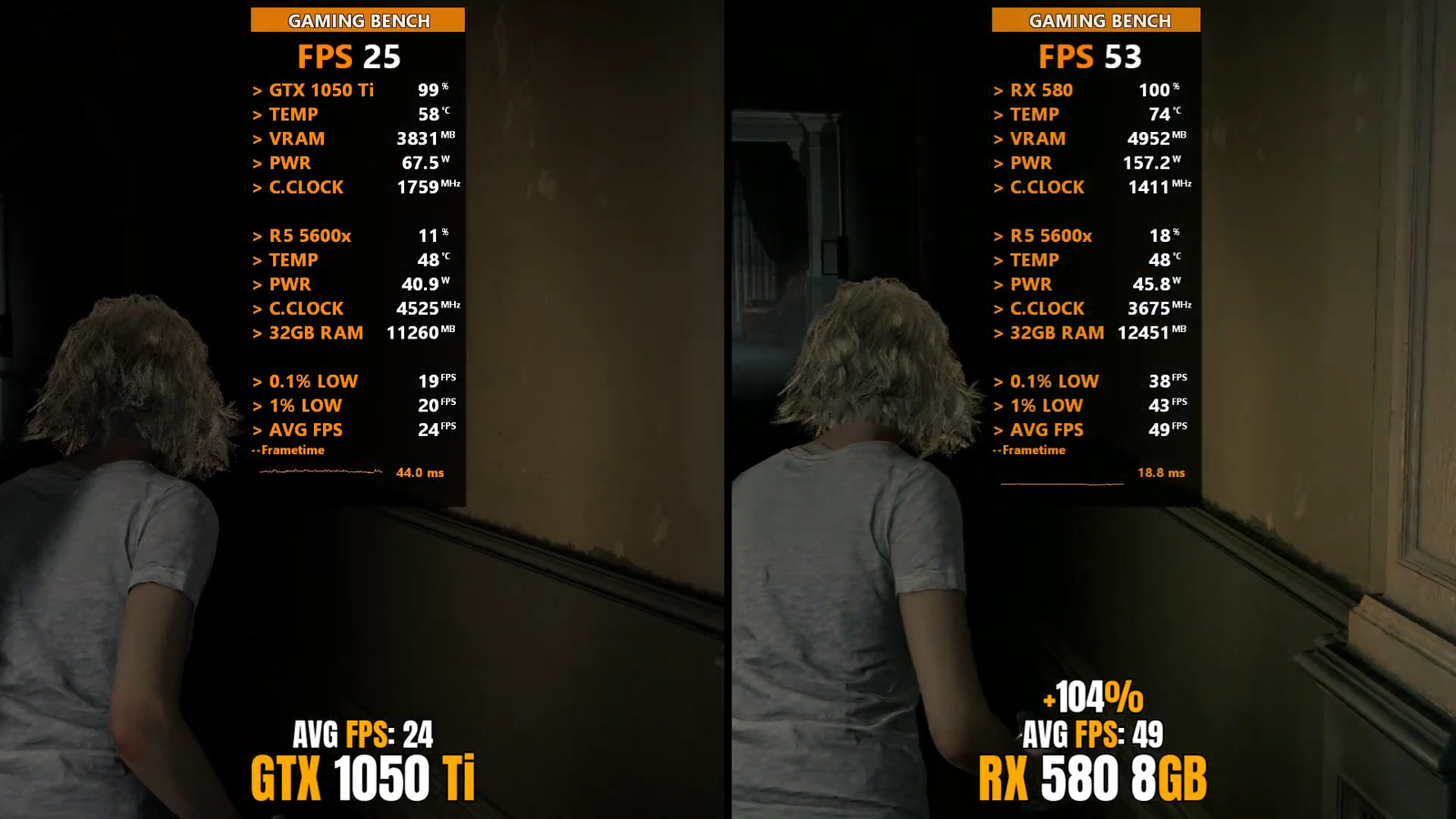
In this comparison between the GTX 1050 Ti and the RX 580, the GTX 1050 Ti clearly struggles the most. With only 4GB of VRAM and lower overall GPU power, it quickly runs into limitations, forcing the game to be tested on the lowest settings. Even then, performance gains are minimal because the card is heavily constrained by both VRAM and raw processing power. While the game remains technically playable, the experience feels restricted and lacks smoothness. In testing, the GTX 1050 Ti 4GB delivered an average of 24 FPS, with 1% lows at 20 FPS and 0.1% lows at 19 FPS. By comparison, the RX 580 8GB performs significantly better. Its 8GB of VRAM reduces memory bottlenecks and allows for much smoother and more stable gameplay overall. The RX 580 achieved an average of 49 FPS, roughly 104% higher then the GTX 1050 Ti’s 24FPS, along with 1% lows of 43 FPS and 0.1% lows of 38 FPS. Overall, the RX 580 proves to be a significantly more capable option in this comparison.
丨GTX 1660 Super (6GB) vs RTX 2060 (6GB) vs RX 6600 (8GB) Comparison
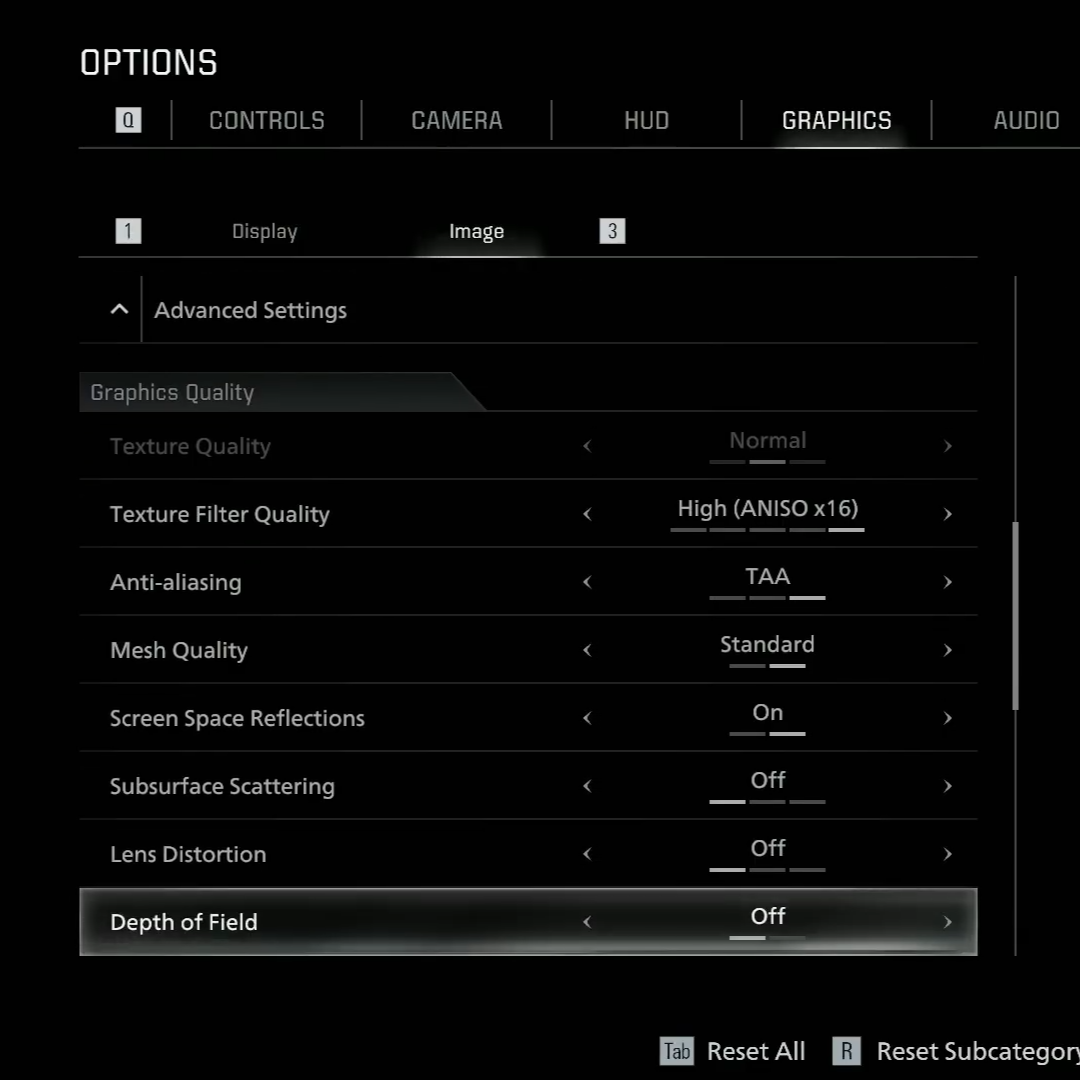
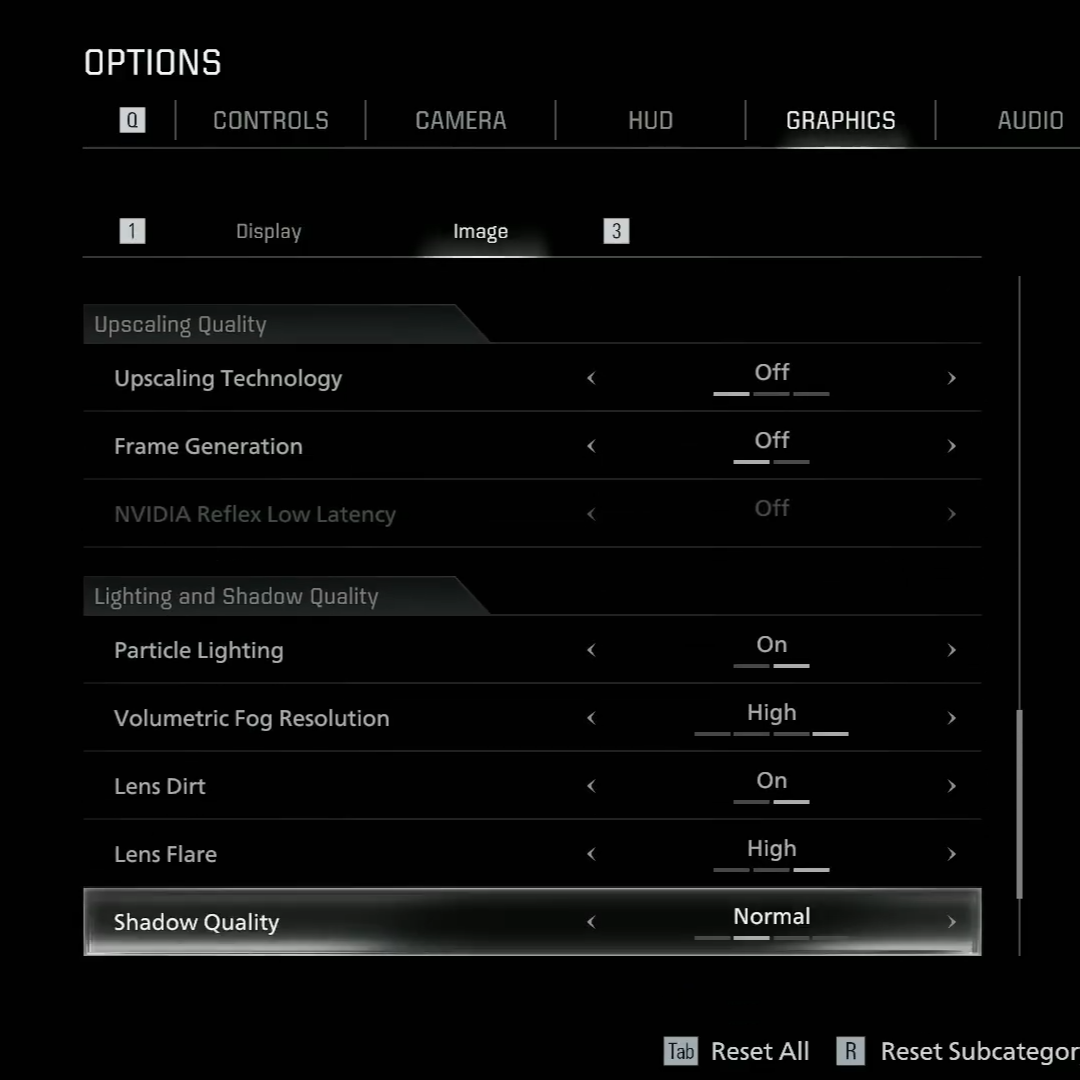
We also compare the GTX 1660 Super (6GB), RTX 2060 (6GB), and RX 6600 (8GB) directly, highlighting their performance with the same settings. The benchmarks below provide a clear view of how each GPU handles demanding titles, helping readers understand the relative strengths and expected performance of these mid-range graphics cards.
GTX 1660 Super (6GB) |
RTX 2060 (6GB) |
RX 6600 (8GB) | |||
|---|---|---|---|---|---|
AVG FPS : 70
|
AVG FPS : 84 (+20%)
|
AVG FPS : 88 (+25.7%)
| |||
1% Low : 56
|
1% Low : 69
|
1% Low : 71
| |||
0.1% Low : 52
|
0.1% Low : 65
|
0.1% Low : 27
|
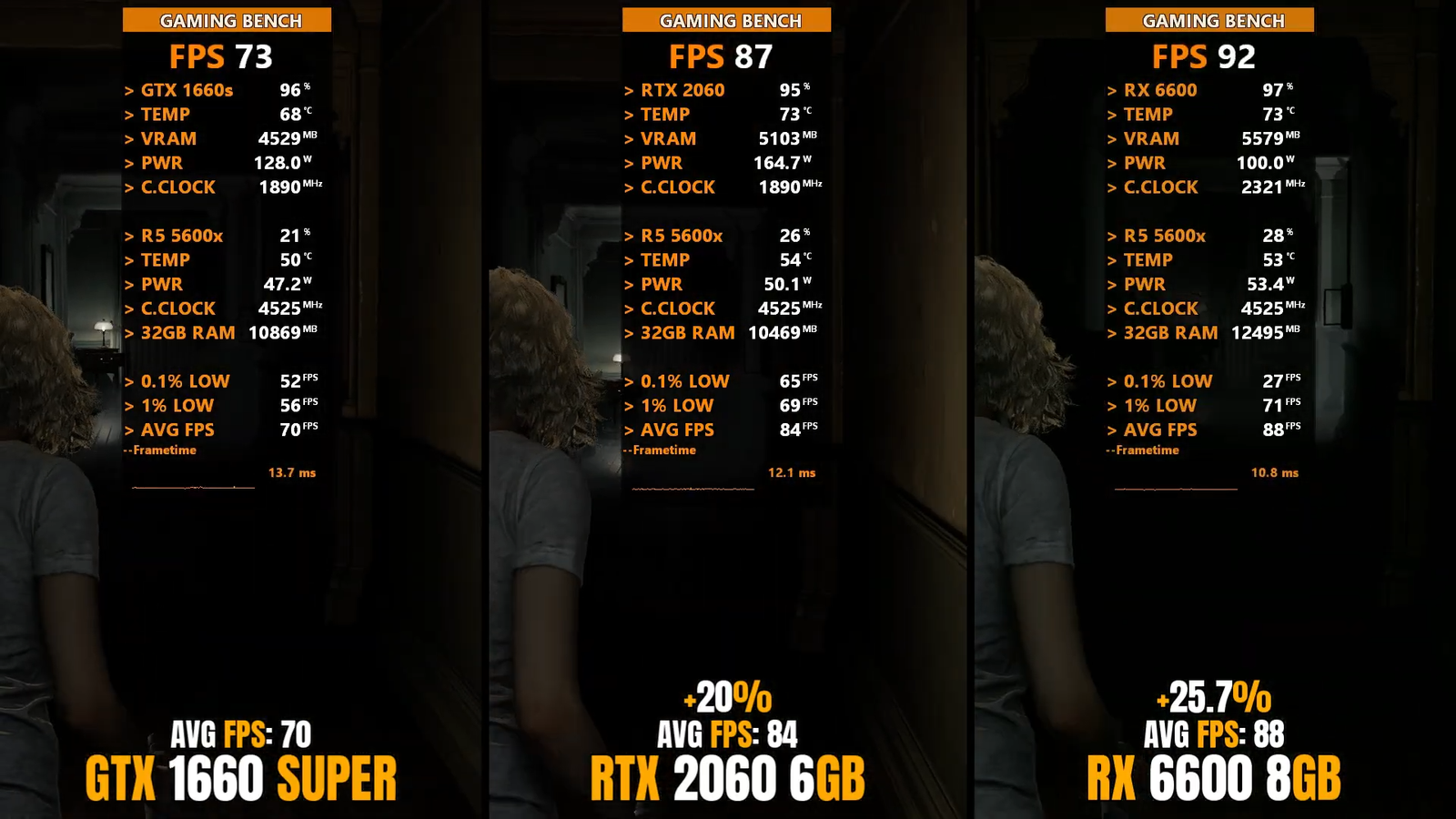
In this comparison between the GTX 1660 Super 6GB, RTX 2060 6GB, and RX 6600 8GB, all three cards delivered solid performance, but there were clear differences in overall smoothness and headroom for higher settings. The GTX 1660 Super averaged 70 FPS, with 1 percent lows at 56 FPS and 0.1 percent lows at 52 FPS, offering a stable experience at balanced settings. The RTX 2060 stepped ahead with an average of 84 FPS, around 20 percent faster than the GTX 1660 Super, while maintaining stronger consistency with 1 percent lows at 69 FPS and 0.1 percent lows at 65 FPS. The RX 6600 led the chart with an impressive 88 FPS average, roughly 25 percent higher than the GTX 1660 Super, and delivered 1 percent lows of 71 FPS. However, its 0.1 percent lows dropped to 27 FPS in heavier scenes, suggesting occasional dips despite its higher average performance. Overall, the RX 6600 offered the best mix of raw performance and efficiency in this test, while the RTX 2060 and GTX 1660 Super still provided reliable gameplay depending on the graphics settings used.
✦ Overview
Resident Evil Requiem was tested on five graphics cards at 1080p, covering entry-level to mid-range options: GTX 1050 Ti, RX 580, GTX 1660 Super, RTX 2060, and RX 6600. Each card was tested across multiple presets, including the Lowest and custom Optimized settings, with FSR 3.1.5 enabled in both Performance plus Frame Generation and Quality plus Frame Generation modes. This gave a clear look at how the game performs in terms of frame rates, smoothness, and visual quality on different systems.
The GTX 1050 Ti 4GB struggled the most, limited by both VRAM and overall GPU power. It could only run the game on the lowest settings, delivering an average of 24 FPS and a fairly constrained experience. By comparison, the RX 580 8GB offered a much smoother ride, thanks to more VRAM and stronger performance, averaging 49 FPS and making gameplay noticeably more fluid.
For the higher-end cards, the GTX 1660 Super, RTX 2060, and RX 6600 all handled the game well, though there were differences in performance and headroom for higher settings. The GTX 1660 Super averaged 70 FPS, providing stable performance at balanced settings. The RTX 2060 stepped up to 84 FPS, offering faster and smoother gameplay. Leading the group, the RX 6600 reached 88 FPS on average, delivering the strongest combination of raw performance and efficiency, though occasional dips appeared in more demanding scenes.
Overall, the RX 6600 offers the best mix of performance and efficiency, while the RTX 2060 and GTX 1660 Super remain solid choices for smooth 1080p gameplay. The tests underline how VRAM and GPU power play a key role in maintaining a smooth experience, especially on entry-level hardware.

Afaq is the author and driving force behind GAMING BENCH, a technology and gaming focused platform dedicated to delivering accurate, insightful, and up to date coverage of the gaming world. With a strong interest in PC hardware, gaming performance, and industry trends, Afaq focuses on creating clear, well researched content that helps readers understand the latest gaming news, benchmarks, and technology developments. Through GAMING BENCH, the goal is to provide reliable information, honest analysis, and practical insights for gamers, tech enthusiasts, and professionals who want to stay informed in a fast moving digital landscape.